7 Epic Surf Destinations Every Wave Chaser Needs to Experience

Bali, Indonesia - The Island of the Gods
Costa Rica - Pura Vida and Perfect Waves
Ericeira, Portugal - Europe's Surf Capital
North Shore, Hawaii - The Ultimate Proving Ground
Jeffreys Bay, South Africa - A Perfect Right-Hand Point Break
Not all surf trips are created equal. Some waves are worth crossing oceans for—others aren't worth the Uber ride. This post cuts through the noise and delivers seven surf destinations that deliver consistent swells, unique cultural experiences, and the kind of stories you'll still be telling years from now. Whether you're planning your first international surf trip or looking to add a new stamp to your passport, these spots represent the best of what global surfing has to offer.
Where Should Beginners Go for Their First International Surf Trip?
Bali, Indonesia remains the undisputed champion for first-time international surfers. The island's Bukit Peninsula—specifically Uluwatu and Padang Padang during the right season—offers forgiving reef breaks alongside more challenging tubes. Here's the thing: you don't need to be Kelly Slater to have a great time here.
Kuta Beach provides waist-high rollers perfect for longboard practice, while the town itself has dozens of affordable surf schools (the Odyssey Surf School gets consistently solid reviews). That said, the real magic happens when you venture north to Canggu. The black sand beaches and rice field backdrops create a surf culture that feels worlds away from the crowded breaks of southern California.
The dry season (April to October) brings offshore winds and consistent six-foot swells. Wet season? Smaller waves, cheaper accommodations, and fewer Australians fighting for set waves. Worth noting: Bali's infrastructure makes it easy—you'll find board rentals for $15/day, $25/night guesthouses, and warungs serving mie goreng for under $2.
Why Bali Works for Every Skill Level
Advanced surfers flock to Uluwatu's famous left-hand reef break, documented in countless films including the classic Morning of the Earth. Intermediate riders can test themselves at Medewi—a long, mellow left point that peels for 200 meters on a good day. Beginners stick to Kuta or Legian, where sandy bottoms and surf instructors abound.
The catch? Bali's popularity means crowds. Uluwatu on a Saturday during peak season resembles a subway platform at rush hour. The solution: dawn patrol. The waves are cleaner, the locals friendlier, and you'll have that famous cave entrance almost to yourself.
What Are the Best Cold Water Surf Destinations?
Tofino, British Columbia delivers Canada's most reliable surf—and some of the most dramatic coastal scenery on the planet. Located on Vancouver Island's wild west coast, this former logging town has transformed into a surf hub where wool sweaters and wetsuits are standard uniform. The water hovers around 50°F year-round, meaning you'll need a quality 5/4mm wetsuit (the Patagonia R5 or Xcel Infiniti are local favorites).
Cox Bay and Chesterman Beach offer the most beginner-friendly options, with consistent beach breaks that work on most tides. Long Beach—part of Pacific Rim National Park Reserve—stretches for 16 kilometers and spreads crowds thin. When a northwest swell hits during winter storm season (November through February), experienced surfers head to remote spots like Wickaninnish Beach where overhead barrels appear through the mist.
After surfing, the town's food scene surprises. The Wolf in the Fog restaurant serves locally foraged ingredients with ocean views. Tacofino—a food truck turned institution—started here before expanding across Canada. The post-surf routine typically involves a stop at Tofino Brewing Company, where the Kelp Stout actually tastes better than it sounds.
The Tofino Experience: What to Expect
Winter swells bring the best waves but also the most challenging conditions. Rain is frequent—pack accordingly. Summer offers smaller, gentler surf perfect for learning, though you'll share the lineup with more tourists. The town operates on island time; don't expect rush hour efficiency at the surf shops.
Accommodation ranges from $40 hostel beds at Tofino Travellers Guesthouse to $400/night oceanfront suites at the Long Beach Lodge. Most surfers rent vehicles—Vancouver Island is huge, and the best waves often require driving gravel logging roads.
Which Surf Spot Offers the Most Consistent Waves?
Gold Coast, Australia averages 300 surfable days per year. That's not a typo. The "Superbank"—a man-made sand dredging miracle connecting Snapper Rocks, Rainbow Bay, and Greenmount—produces one of the longest right-hand point breaks on earth. On a good day, rides last over a kilometer.
The region's geography explains the consistency. The Gold Coast sits at a latitude where southern ocean swells meet warm subtropical waters. Storm systems tracking from Antarctica generate reliable swell while the coastal headlands and points shape it into organized lines. From Burleigh Heads in the north to Coolangatta in the south, you're never more than 20 minutes from a working break.
| Break | Best For | Swell Direction | Crowd Level |
|---|---|---|---|
| Snapper Rocks | Advanced/Pro | SE to E | Extreme |
| Burleigh Heads | Intermediate+ | SE | High |
| Kirra Point | All Levels | SE to E | Moderate |
| Currumbin Alley | Beginners | SE | Low-Moderate |
| Duranbah | Bodyboarders/Shortboarders | S to SE | High |
The surf culture here runs deep. Morning sessions start before sunrise. The local crew at Snapper—including occasional sightings of Mick Fanning and Joel Parkinson—know every rock and rip. The etiquette matters here; dropping in on a local who's waited 45 minutes for a set wave is a mistake you won't make twice.
Beyond surfing, the Gold Coast delivers theme parks, rainforest hinterlands, and a nightlife scene that rivals Sydney. Surfers Paradise lives up to its name, though the serious surfers avoid it—too many learners, not enough decent waves. Instead, base yourself in Burleigh Heads or Currumbin for a more authentic experience.
Where Can Surfers Find Uncrowded Waves in a World-Famous Destination?
Portugal's Algarve region offers an escape from the crowded lineups of Peniche and Ericeira without sacrificing wave quality. While Lisbon's surf spots buzz with digital nomads and weekend warriors from the capital, the southern coast remains surprisingly quiet—especially outside July and August.
Sagres sits at Europe's southwestern tip, exposed to powerful Atlantic swells that wrap around Cape St. Vincent. Tonel Beach faces west and picks up serious size during winter; Mareta Beach offers more shelter and gentler waves for intermediate surfers. The water stays colder than you'd expect—full wetsuit required year-round—but the sunsets from the clifftop fortress compensate for the chill.
The town itself feels like the end of the world (which, geographically, it almost is). Fresh grilled sardines cost €8 at beachside restaurants. Surf shops like Sagres Surf Culture rent quality boards and provide honest local knowledge. The nearby beaches of Arrifana and Amado—accessible via winding coastal roads—offer reef and beach breaks that work on different swells.
Timing Your Portugal Trip
Autumn (September to November) brings consistent northwest swells and warm water temperatures. Winter delivers the biggest waves but also the strongest winds—storm systems roll through weekly. Spring offers a sweet spot: decent swell, fewer tourists, and wildflowers covering the coastal cliffs. Summer? Flat, crowded, and hot—avoid unless you're combining surfing with family beach time.
Which Destination Combines Epic Surf with Rich Cultural Experience?
Sri Lanka's southern coast delivers world-class waves alongside ancient temples, tea plantations, and cuisine that will ruin your local curry spot forever. The surf season runs November through April on the south coast, when offshore winds groom clean swells rolling up from the Southern Ocean.
Weligama serves as the hub— a crescent-shaped bay with a sandy bottom beach break perfect for learning. The town has exploded with surf camps, yoga retreats, and boutique hotels over the past decade, but retains a sleepy fishing village feel away from the main drag. Rent a scooter ($8/day) and explore the coastline: Mirissa offers more powerful reef breaks, while Midigama's Lazy Left and Rams Right test intermediate skills.
The cultural depth separates Sri Lanka from typical surf destinations. Between sessions, visit the UNESCO-listed Galle Fort—a Dutch colonial time capsule with cobblestone streets and courtyard cafes. Take the train to Ella through tea country, where women in bright saris hand-pick leaves on hillsides that look imported from a storybook. The food costs pennies: kottu roti (chopped flatbread stir-fry) for under $2, fresh seafood curries, and king coconuts hacked open by machete-wielding roadside vendors.
The catch? Infrastructure remains developing. Power outages happen. Roads require patience. But that's precisely the point—Sri Lanka hasn't been sanitized for tourism. The waves feel earned.
Where Should Advanced Surfers Test Their Limits?
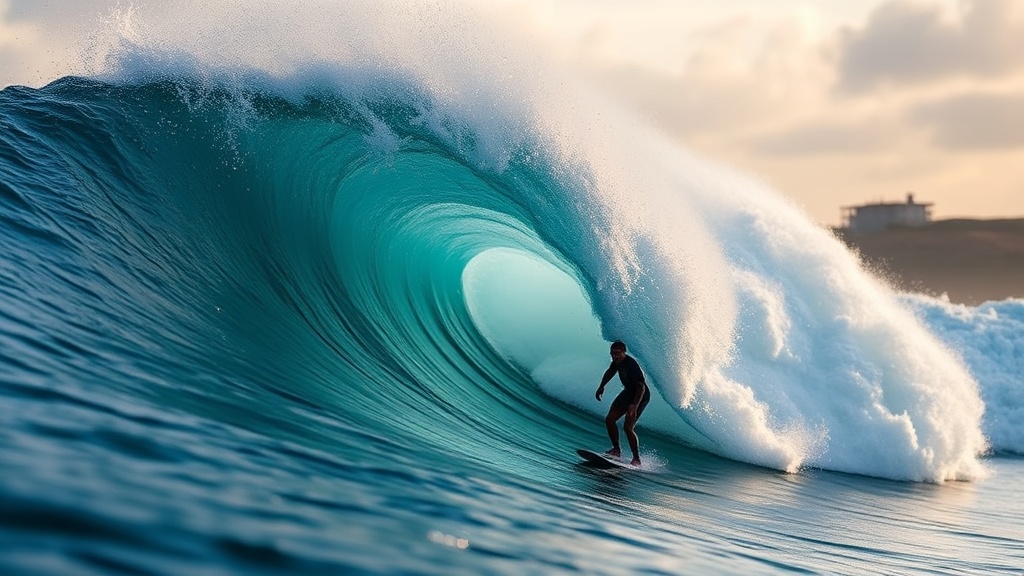
Teahupo'o, Tahiti requires no introduction to anyone who's watched surf footage in the past two decades. This reef pass on Tahiti's southwestern coast produces what many consider the heaviest wave on earth—a thick, perfectly cylindrical tube that breaks over razor-sharp coral just feet below the surface.
The wave itself defies physics. Swells from Antarctic storms travel thousands of miles without obstruction, then hit Tahiti's sudden underwater shelf. The result: waves that barely look like waves until they hit the reef, at which point they jack up into thundering cylinders. The local name translates roughly to "place of skulls" or "broken skulls"—the exact translation depends on who's telling the story.
Surfing Teahupo'o demands respect and experience. The wave isn't particularly long, but the consequences of a wipeout are severe. The reef shelf is shallow—sometimes dry on the biggest swells. The current pulls relentlessly toward the impact zone. Local photographers and water patrol operate boats in the channel, but you're ultimately responsible for your own safety.
That said, intermediate surfers can find manageable waves during smaller swells (four to six feet). The channel provides a front-row seat to watch the world's best charge massive sets during the Billabong Pro Tahiti competition each August. Accommodations range from basic pensions in Teahupo'o village to luxury overwater bungalows on the main island.
What's the Most Budget-Friendly Surf Destination with Quality Waves?
Nicaragua's Pacific coast offers Central America's best surf value—by a wide margin. The country receives the same southern swells that hit Costa Rica and Panama, but with a fraction of the crowds and prices. Popoyo, Playa Maderas, and San Juan del Sur provide consistent beach and reef breaks for every skill level.
The secret weapon is the offshore winds. Lake Nicaragua—one of the world's largest freshwater lakes—creates a thermal effect that blows offshore virtually every morning from November through April. This "lake effect" wind grooms the swell into clean, organized lines while Costa Rica's beaches suffer from onshore chop. By afternoon, the wind typically switches onshore, creating the perfect excuse for siestas and rum drinks.
San Juan del Sur serves as the tourist hub—a colorful fishing town with dozens of hostels, restaurants, and nightlife options. More serious surfers base themselves at beachfront lodges in Playa Maderas or Popoyo, where $25/night gets you a private cabaña and breakfast. Daily expenses rarely exceed $40 including food, accommodation, and a few beers.
The political situation requires monitoring—Nicaragua has experienced unrest in recent years. However, the surf towns remain calm and welcoming. The dry season (November to April) brings reliable offshore winds and consistent swell. Green season offers bigger waves but afternoon thunderstorms and occasional washouts.
These seven destinations represent different answers to the same question: where should you travel for waves? The right choice depends on your skill level, budget, and tolerance for adventure. Bali offers the easiest entry point. Tahiti demands the most respect. Nicaragua stretches your dollars furthest. Each delivers something the others cannot—unique light, unique crowds, unique memories written in salt water.