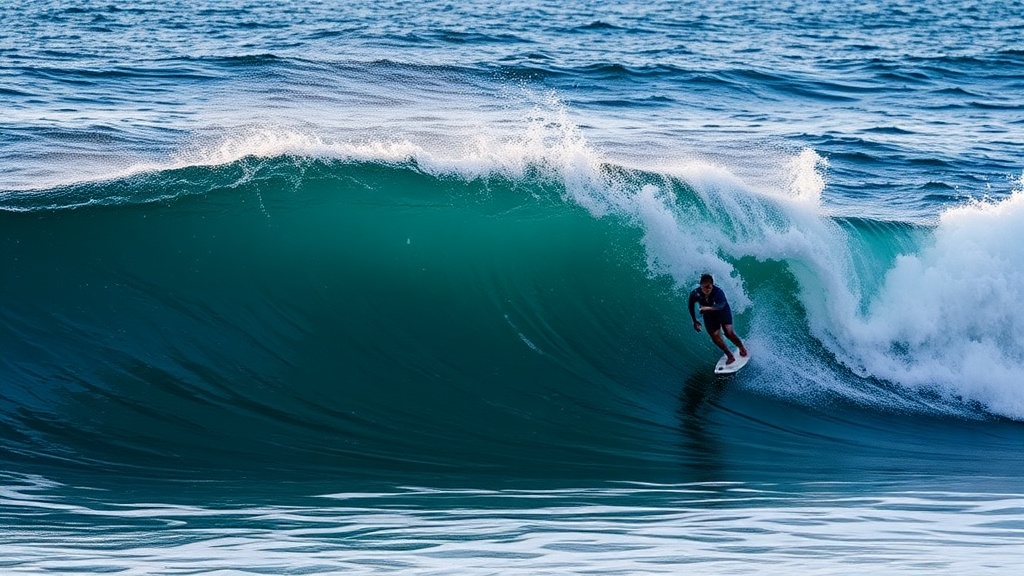
Decoding the Break: A Guide to Local Ocean Dynamics for Visiting Surfers

What Does a "Local Read" of the Ocean Actually Mean?
You arrive at that idyllic, remote point break you've only seen in photos. The waves look perfect from the car park, but once you paddle out, everything feels… off. The current pulls harder than expected, the peak shifts constantly, and you spend more time repositioning than actually riding. Sound familiar? This happens to every surfer, no matter how many miles they’ve logged across the globe. This guide isn't about finding the perfect forecast or packing light; it’s about what to do when you’re in the water, confronted by a new break, and need to quickly adapt. It’s about cultivating the observational skills that transform a good session into a truly memorable one—and, more importantly, keep you safe.
A "local read" goes far beyond the basic swell charts you check before your trip. It's the nuanced interplay of elements that sculpt a wave at a specific spot, under specific conditions. Think about the tide, for instance. A beach break might come alive at mid-tide, offering playful, peeling waves, but become a chaotic mess at high tide—washing out the banks—or close out entirely at low. Reefs, conversely, often need a higher tide for safety, ensuring enough water depth over sharp coral or rock. Tidal swings vary wildly around the world, too. A Pacific beach break might have a negligible tide change, while an Atlantic spot could see several meters of difference, completely changing the wave’s character within hours.
Then there are currents—those invisible forces that can either help you get to the peak or drag you endlessly down the line. Rip currents are the most talked-about, and rightly so, given their potential danger. They’re often identifiable by a channel of choppy, discolored water, or a gap in the incoming wave lines. But subtle alongshore currents can make a huge difference in how you paddle, position yourself, and even how you catch a wave. These can carry you away from the ideal take-off zone with surprising speed. Understanding the bathymetry, the seabed's contours, also plays a huge part. Is it a gradual sand slope, a sharp reef shelf, a deep canyon, or a point? Each creates a unique wave dynamic. Sandbars shift with storms and tides, meaning a spot that was great last week might be a close-out machine today. Ignoring these factors isn't just about missing good waves; it's about putting yourself—and others—in unnecessary peril. For a deeper dive into how these powerful forces shape our watery playground, check out this excellent primer on ocean currents from the National Ocean Service: