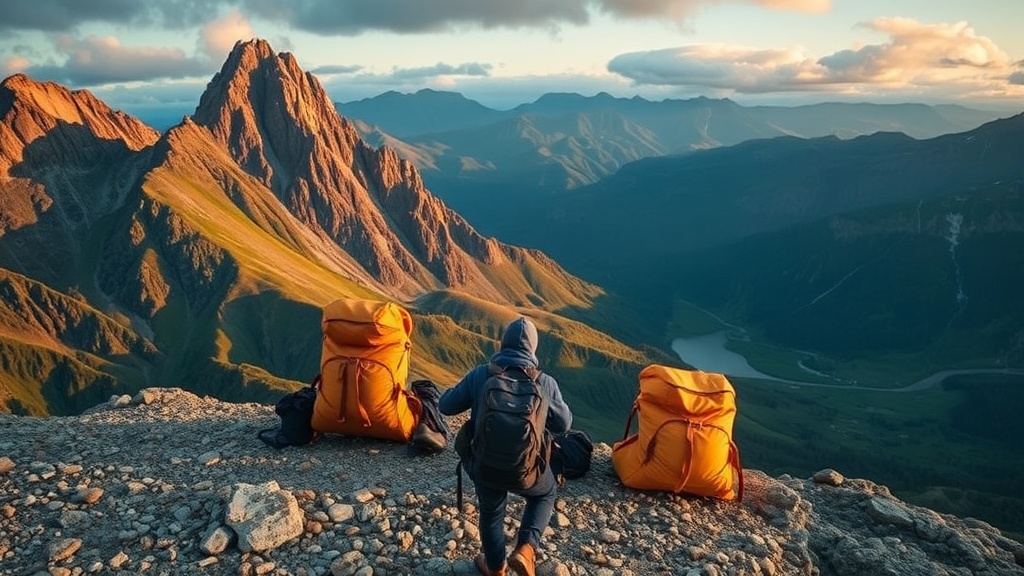
How to Pack for Long-Term Adventure Travel Without Overloading

Are you tired of wrestling with a heavy backpack that makes every cobblestone street feel like an obstacle course? Most travelers overpack because they fear the "what if," yet they end up carrying gear they never actually use. This guide covers how to curate a lightweight, functional kit for multi-destination trips, ensuring you stay mobile and efficient without sacrificing the tools you need for the road.
The secret isn't just about having fewer items; it's about choosing items that serve multiple functions. When you're moving between different climates or terrains—say, from a humid tropical coast to a chilly mountain lodge—your gear needs to be adaptable. A single versatile jacket or a set of high-quality merino wool layers can replace five lower-quality pieces that would eventually clutter your bag. We're looking at a system of modular packing that prioritizes weight-to-utility ratios.
One of the biggest mistakes travelers make is relying on single-use items. Instead of packing three different types of specialized gear, look for pieces that work across various environments. A lightweight linen shirt works for a beach dinner and stays breathable in high humidity, while a rugged pair of hiking trousers can handle a forest trail or a casual city walk. By sticking to a cohesive color palette, you ensure that everything you own matches, which drastically reduces the need for excess clothing.
How do you choose the right travel backpack?
Choosing a bag is the most significant decision in your planning process. You shouldn't just pick the biggest one available; you need to match the volume to your actual movement style. If you're hopping on trains and buses, a 40L to 45L backpack is often the sweet up-size limit for many carry-on restrictions. This size allows you to bypass checked baggage fees and move through airports much faster (which is a massive win for your stress levels).
Look for features that make life on the move easier. A bag with a clamshell opening—meaning it opens like a suitcase rather than a top-loading rucksack—is much easier to organize. You also want to prioritize durability and weather resistance. If you're heading into more rugged territory, a bag with a roll-top or a dedicated waterproof compartment is a smart investment. Check out Outdoor Gear Lab for deep dives into technical backpack specifications and real-world testing results.
- Capacity: 35L to 45L for most solo travelers.
- Access: Front-loading or clamshell designs are best for organization.
- Comfort: Look for padded hip belts to distribute weight.
- Durability: High-denier nylon resists tears from scrapes and rocks.
Once you have the bag, the way you fill it determines your success. Don't just throw things in. Use compression cubes to manage space and keep your items categorized. This prevents the dreaded "digging through everything" moment when you're looking for a single pair of socks in a dimly lit hostel room.
Can you travel with just a carry-on?
Yes, and frankly, you should try to. The lighter your load, the more freedom you have to change plans on a whim. A carry-on-only approach isn't just about saving money on airline fees; it's about the psychological freedom of not being tethered to a heavy trunk. When you can carry your entire life on your back, you're more likely to take that spontaneous detour to a remote trailhead or a hidden coastal village.
To make this work, you must adopt a minimalist mindset. This means being ruthless with your "maybe" items. If you haven't worn a specific piece of clothing in the last month at home, you won't wear it on the road. Focus on high-quality, low-impact gear. Since Earth Day is approaching, this is a great time to rethink your consumption. Instead of buying cheap, disposable travel gear, invest in a few high-quality, long-lasting pieces that won't end up in a landfill after one season. Choosing sustainable brands or high-quality second-hand gear is a way to travel more responsibly.
A great resource for understanding the environmental impact of your gear choices is the Patagonia environmental impact reports, which highlight how manufacturing affects the planet. Being aware of your footprint helps you make better decisions when selecting travel equipment.
What are the best ways to organize small items?
Organization is where most travelers fail. Without a system, your bag becomes a chaotic mess of tangled cables and mismatched socks. Use a tiered approach: large items go in the main compartment, medium items in packing cubes, and small, high-value items in a dedicated tech pouch or a small sling bag.
For electronics, don't rely on a single giant bag. Instead, use a small, padded organizer for your cables, power banks, and adapters. This keeps your tech safe and prevents wires from fraying. For toiletries, move away from bulky plastic bottles. Solid bars—like shampoo bars, solid deodorant, and soap—are lighter, take up less space, and are much more eco-friendly because they don't require plastic packaging or liquid-limit compliance at security checkpoints.
| Item Type | Best Packing Method | Why It Works |
|---|---|---|
| Clothing | Compression Cubes | Saves space and keeps categories separate. |
| Electronics | Tech Organizer Pouch | Protects delicate gear and prevents cord tangles. |
| Toiletries | Solid Bars (Soap/Shampoo) | Reduces weight and avoids liquid restrictions. |
| Documents | Slim RFID-blocking Pouch | Keeps essentials close and secure. |
Finally, always leave a little bit of "white space" in your bag. You will inevitably find things along the way—a local textile, a unique souvenir, or a book from a small shop. If your bag is packed to the absolute brim before you even leave, you'll have no room for the unexpected treasures that make travel memorable.