
How to Plan a Surf Trip That Actually Delivers: Timing, Gear, and Real-World Strategy

Most surf trips fail long before you ever paddle out. Not because the destination is bad—but because the planning is sloppy. Wrong season, wrong board, wrong expectations. You end up watching locals score perfect waves while you wrestle wind chop and regret.
This guide cuts through the fantasy and gives you a practical, experience-first framework for planning a surf trip that actually works. No fluff. Just decisions that move the needle.
Start With the Only Thing That Matters: Conditions

If your trip doesn’t line up with good conditions, nothing else matters. Accommodation, food, vibe—it’s all secondary.
Focus on three variables:
- Swell direction and size: Research what angles your target breaks need. A world-class spot can go flat with the wrong swell.
- Wind patterns: Offshore winds make waves; onshore winds destroy them. Learn the daily cycles.
- Tides: Some waves only work on specific tide windows. Miss it and you’re wasting sessions.
The mistake most travelers make is picking a destination first and checking conditions later. Flip that. Start with when conditions are best, then commit.
Pick a Destination That Matches Your Level (Brutally Honestly)

There’s no faster way to ruin a trip than overestimating your ability.
Advanced reef breaks look incredible online. In reality, they demand precision, positioning, and confidence. If you’re not there yet, you’ll spend more time surviving than surfing.
Ask yourself:
- Can you consistently catch unbroken waves?
- Are you comfortable in overhead surf?
- Do you know how to read a lineup under pressure?
If the answer is no, lean toward forgiving beach breaks or mellow point breaks. You’ll surf more, improve faster, and actually enjoy the trip.
Timing Your Trip: Avoid the Instagram Window
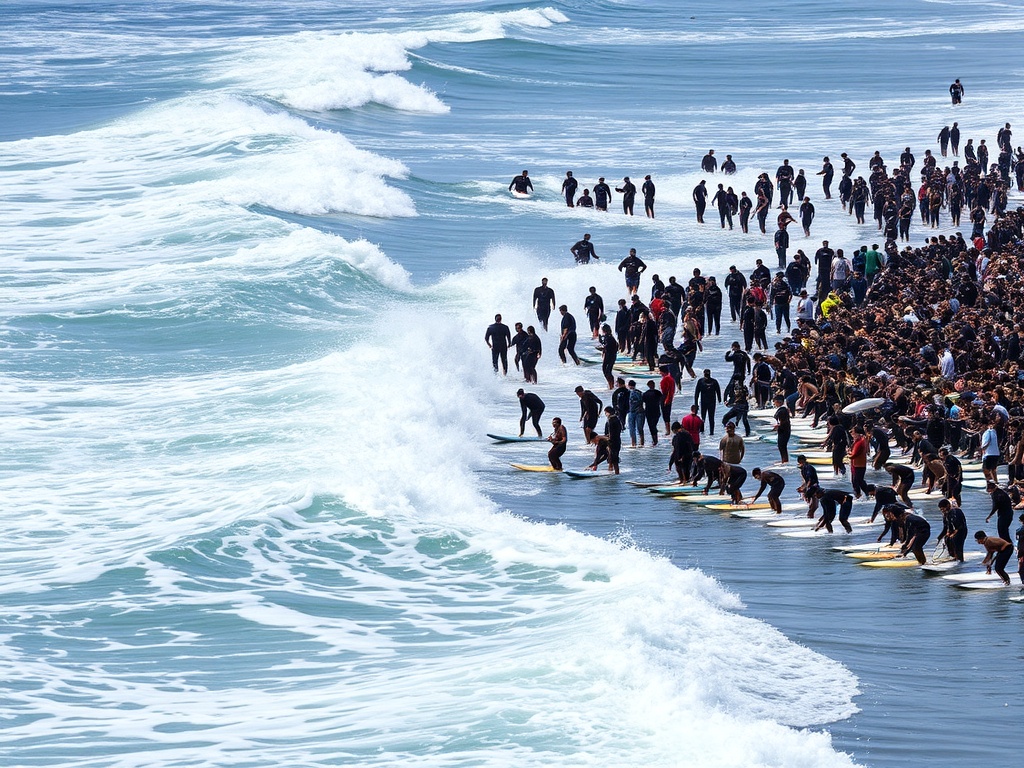
Peak season gets marketed hard—but it often comes with crowds, inflated prices, and competitive lineups.
The better move is shoulder season:
- Slightly less consistent swell, but still very good
- Fewer crowds in the water
- Cheaper accommodation and flights
You trade a small drop in wave quality for a massive upgrade in actual surf time. That’s a good deal.
Gear Strategy: Bring Less, Choose Better
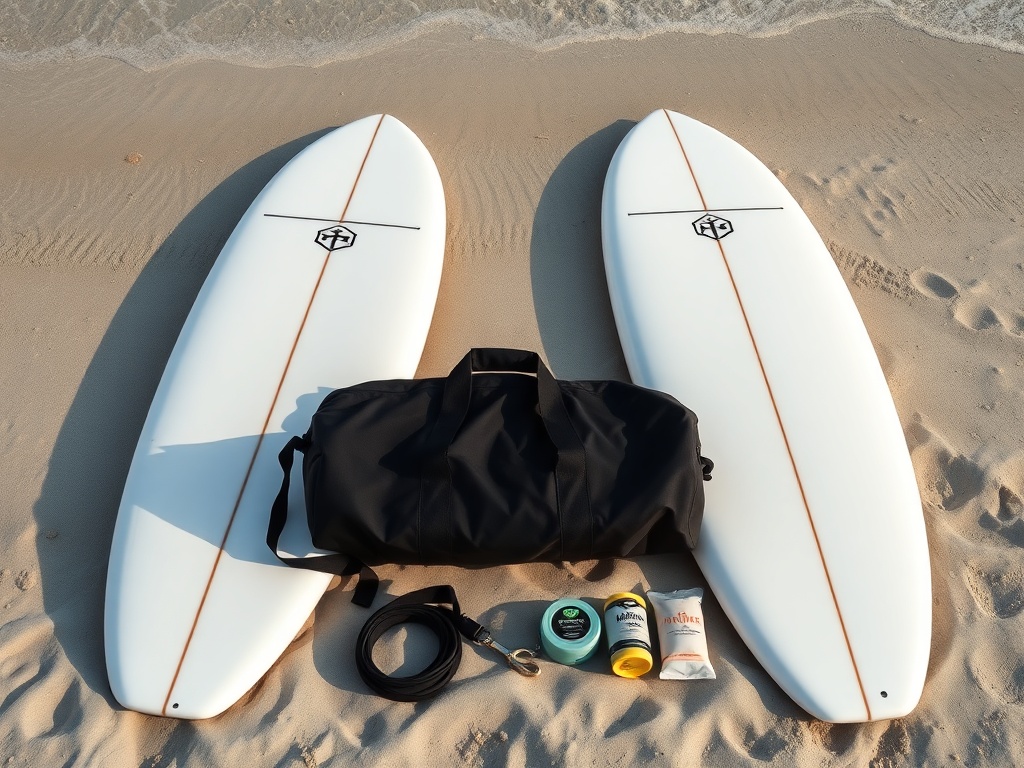
Overpacking is common—and expensive. Airlines charge heavily for surfboards, and hauling excess gear kills mobility.
Instead, build a tight quiver:
- Primary board: Your go-to, reliable performer
- Backup or step-up: For bigger or more powerful days
Skip the “just in case” boards unless the destination demands it.
Other essentials:
- Extra leashes (they break when it matters most)
- Compact repair kit
- Wax suited to local water temperature
- Lightweight wetsuit or rash guard depending on climate
If you’re flying, invest in a proper board bag. Damage happens more often than airlines admit.
Where You Stay Shapes Your Surf
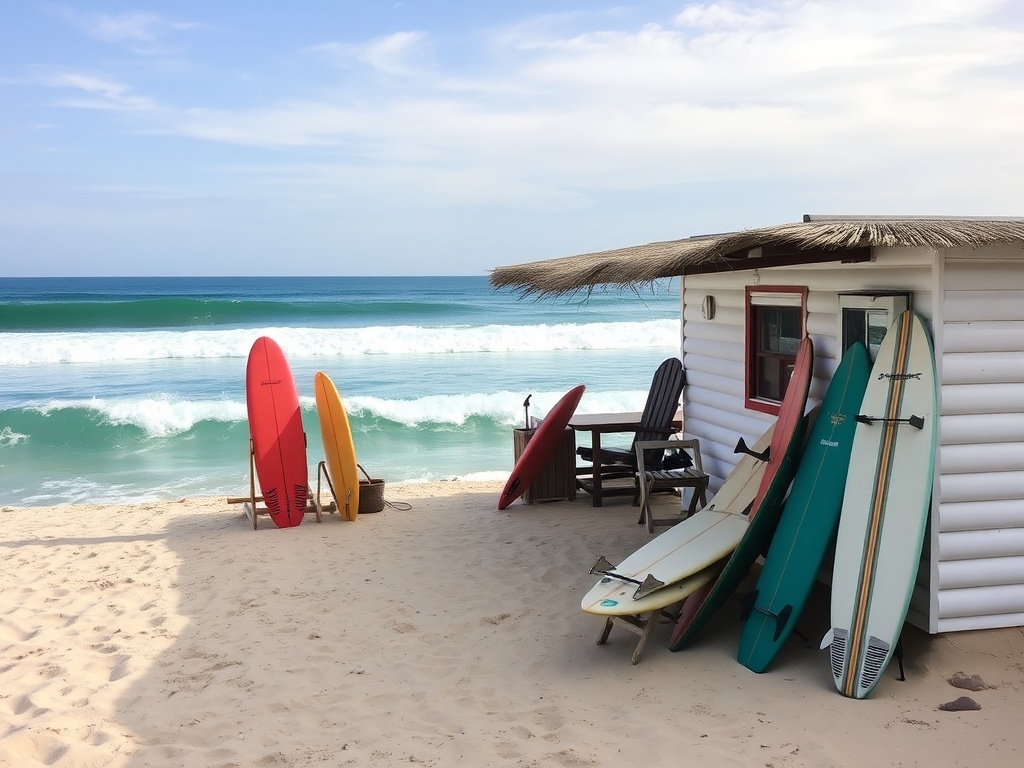
Location beats luxury every time.
Staying close to the break means:
- More sessions (dawn patrol and sunset become easy)
- Better timing with tides and wind shifts
- Less friction getting in the water
A cheap place within walking distance of the surf will outperform a nicer hotel 30 minutes away—every single day.
Build a Flexible Surf Routine

Rigid plans don’t work in surfing. Conditions change daily, sometimes hourly.
Instead, build a loose rhythm:
- Dawn patrol when winds are clean
- Midday rest or exploration
- Late afternoon session if winds cooperate
Stay adaptable. The best surfers on any trip are the ones who adjust quickly.
Local Knowledge Is a Shortcut You Shouldn’t Ignore

You can spend days figuring out a break—or you can learn it in an hour by talking to locals.
Ask respectfully:
- Best tide for this break?
- How does wind affect it?
- Any hazards to watch for?
Respect the lineup, follow etiquette, and you’ll often get more insight than any guidebook can offer.
Food, Recovery, and Staying Surf-Ready

Multiple sessions a day take a toll. If you ignore recovery, your performance drops fast.
- Hydrate constantly—especially in tropical climates
- Eat simple, high-energy meals
- Stretch or move between sessions
This isn’t about optimization for its own sake. It’s about staying strong enough to surf every good window.
Common Mistakes That Ruin Surf Trips

- Booking flights before checking swell seasons
- Choosing spots based on photos instead of conditions
- Overestimating ability level
- Staying too far from the surf
- Ignoring wind forecasts
Every one of these is avoidable. Most come down to rushing decisions.
The Real Goal: More Time on Good Waves

A successful surf trip isn’t about ticking destinations off a list. It’s about maximizing time in quality waves.
That means aligning conditions, choosing the right break, staying close, and keeping your setup simple.
Do that, and everything else—photos, stories, progression—takes care of itself.
Final Thought
Good surf trips aren’t lucky. They’re built.
Make decisions based on conditions, not hype. Be honest about your level. Keep things simple. And give yourself enough time to let the ocean cooperate.
That’s how you turn a trip into something you’ll actually remember.