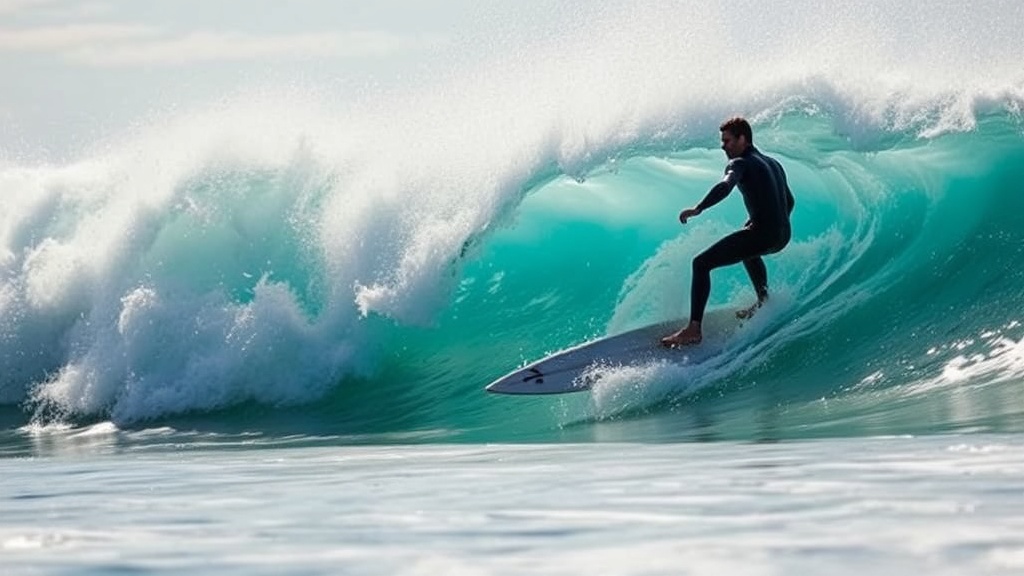
How to Plan a Surf Trip That Actually Delivers (Without Wasting Weeks or Money)

There’s a difference between a surf trip that looks good on Instagram and one that actually delivers session after session. Most people get this wrong. They over-plan the obvious things (flights, boards, hotels) and completely ignore what actually determines whether you score waves or sit on the beach scrolling tide charts in frustration.
This is the playbook I wish more surfers followed. It’s practical, slightly opinionated, and built around one goal: maximize time in good waves.

Start With the Right Kind of Destination
Not all surf destinations are created equal, and chasing “famous” spots is usually a mistake unless you’re experienced or traveling in shoulder season.
Instead, define your trip by consistency, not reputation. A place with average but reliable surf beats a world-class break that only works two days a week.
Look for regions known for:
- Multiple breaks within short driving distance
- Different swell exposures
- Year-round or predictable seasonal swell
This is why areas like parts of Central America, Indonesia, and southern Europe quietly outperform more hyped destinations. You want options, not just a postcard wave.
Understand Swell, Wind, and Tide (At Least a Little)
If you don’t understand how surf conditions work, you’re basically gambling.
You don’t need to become a meteorologist, but you should know:
- Swell direction: Determines which beaches work
- Wind: Offshore good, onshore bad (generally)
- Tide: Some breaks only work at specific levels
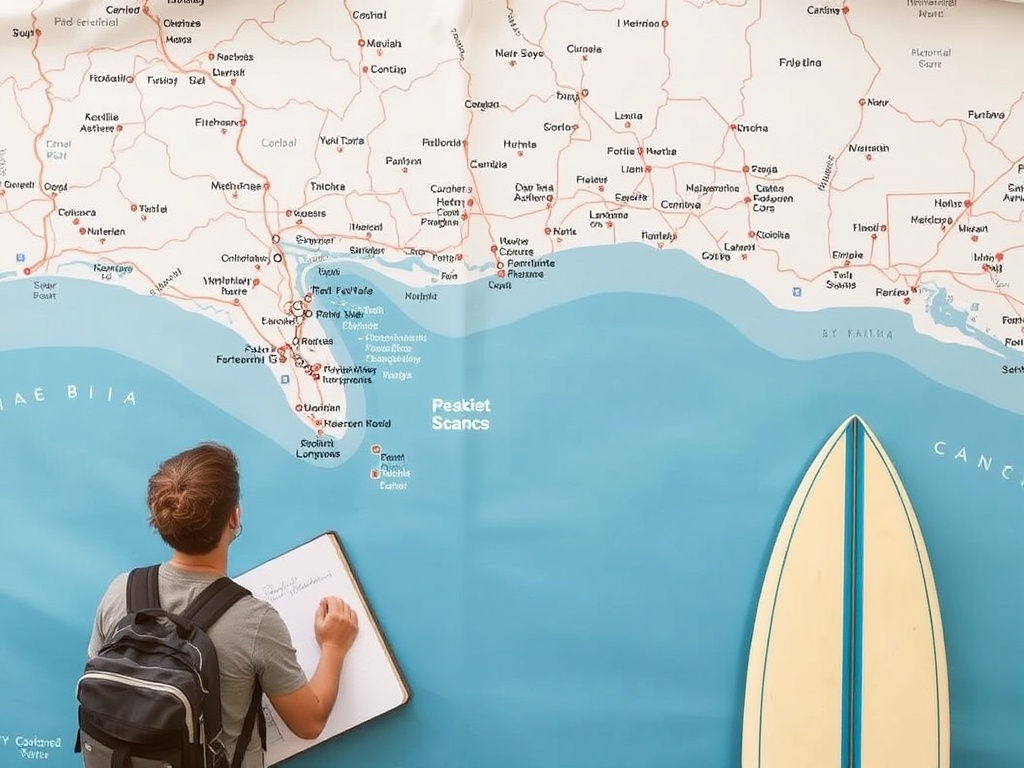
Before booking, spend time watching forecast patterns for your destination. Look at a full month, not just the week you plan to go. You’ll start seeing trends that matter more than any travel blog list.
And here’s the uncomfortable truth: if the forecast looks mediocre, it probably will be.
Time Your Trip Around Conditions, Not Your Calendar
This is where most people fail.
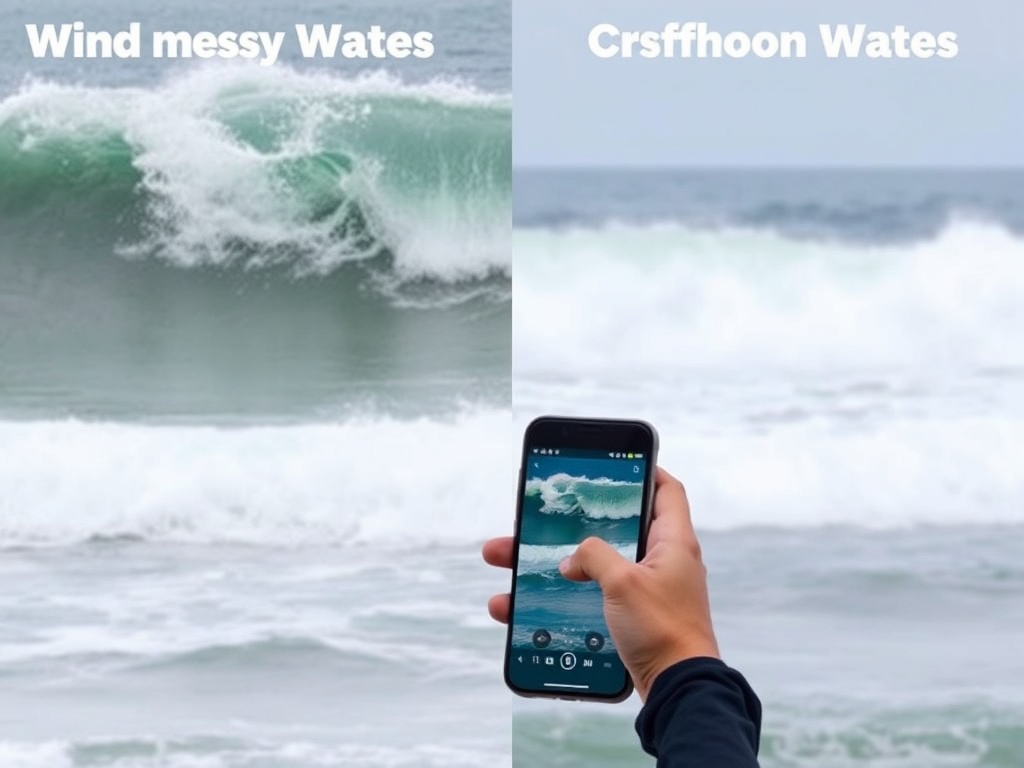
They pick dates based on work schedules or cheap flights, then hope for waves. Flip that mindset. Start with the best time for surf, then build everything else around it.
That means:
- Avoiding rainy or storm-heavy seasons (unless you know what you’re doing)
- Targeting peak swell windows
- Considering wind patterns (trade winds, thermal winds)
If you can travel flexibly—even by a few weeks—you massively increase your odds of scoring.

Don’t Overpack Boards (But Don’t Underpack Either)
Board choice can make or break your trip, but hauling a massive quiver across the world is rarely worth it.
A solid strategy:
- One daily driver (your go-to board)
- One step-up or alternative (for bigger or smaller days)
If you’re heading somewhere with heavy waves, bring something you trust under pressure. If it’s softer surf, consider a fish or hybrid.
Renting can work—but only in established surf areas with decent gear. Otherwise, you risk wasting sessions on unfamiliar or low-quality boards.
Stay Close to the Waves (Closer Than You Think)
Being “10 minutes away” sounds fine until you realize that’s 20 minutes round trip, multiple times a day, plus checking conditions.
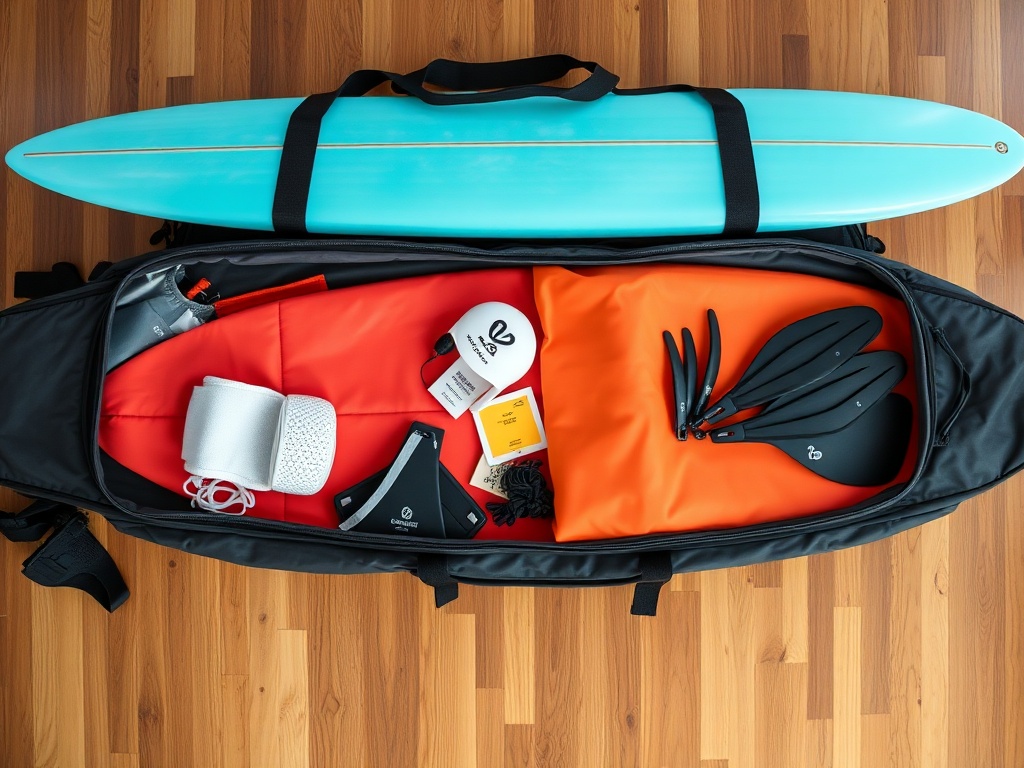
Stay as close as possible to your primary break—or at least within walking distance of something surfable.
This gives you:
- More sessions per day
- Faster reaction to changing conditions
- Less friction (which matters more than you think)
Convenience compounds. The easier it is to surf, the more you will.

Have a Mobility Plan
Even if you’re staying near a great break, conditions change. Having mobility is the difference between salvaging a trip and wasting it.
Your options:
- Rent a car or scooter
- Stay somewhere with organized surf transport
- Make friends quickly (seriously, this works)
The goal is simple: if your main spot isn’t working, you can pivot within an hour.

Manage Your Energy Like It Matters (Because It Does)
Surf trips aren’t just about waves—they’re about how much you can actually surf.
Burn out early and you’ll miss your best sessions.
Smart surfers:
- Pick their sessions (not every wave is worth it)
- Hydrate constantly
- Eat enough (especially after long sessions)
- Sleep properly—even when it’s tempting not to
It’s not glamorous, but it’s the difference between a few good sessions and a consistently great trip.

Respect Local Lineups
This should be obvious, but it’s still one of the fastest ways people ruin their trips.
Basic rules:
- Don’t drop in
- Don’t snake
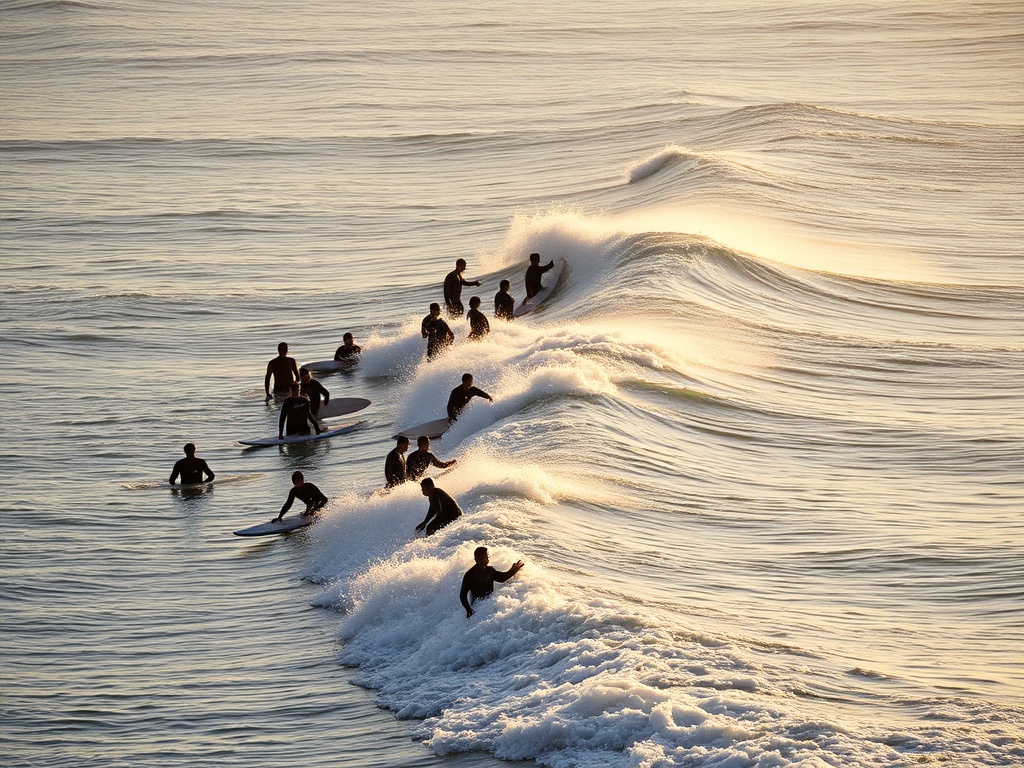
- Observe before paddling out
In some regions, respect isn’t just etiquette—it’s essential.
The payoff? Better vibes, more waves, and occasionally insider tips you won’t find online.
Build in Non-Surf Time (Strategically)
This might sound counterintuitive, but your trip improves when you’re not forcing every hour into the water.
Flat spell? Explore.
Windy afternoon? Eat something memorable.
Body needs rest? Take it.
Some of the best parts of surf trips happen outside the lineup. And ironically, stepping away often puts you in a better position to score when conditions improve.

The Real Goal: Stack the Odds
You can’t control the ocean. But you can control how prepared you are for it.
The best surf trips aren’t lucky—they’re engineered. They come from choosing the right destination, timing it well, staying close, and giving yourself options.
Do that, and even an average forecast can turn into something memorable.
Ignore it, and even a “perfect” destination can leave you wondering why you didn’t just stay home.
Plan like it matters. Because it does.