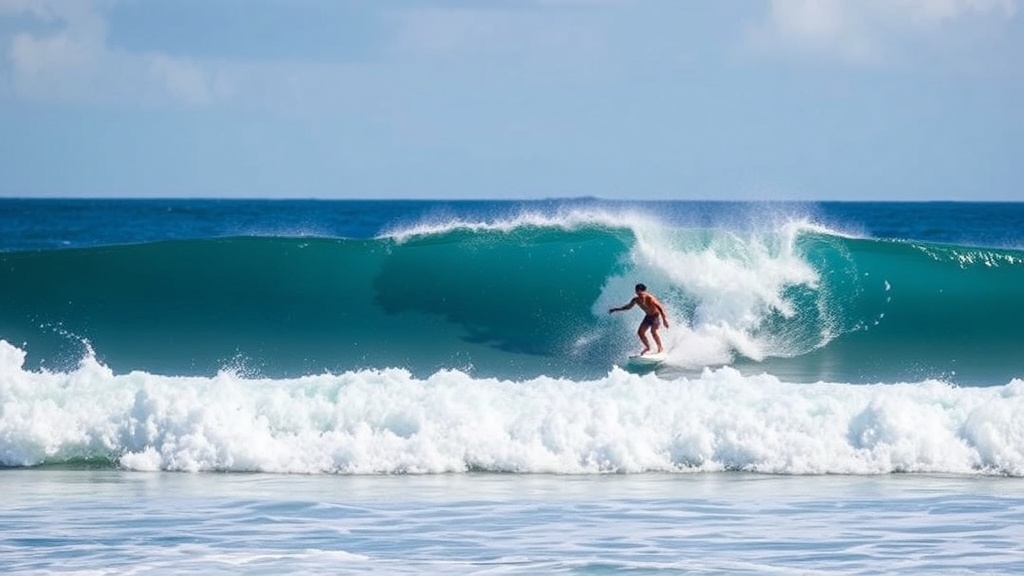
How to Plan the Perfect Surf Trip: A No-BS Guide From Flights to First Waves

Planning a surf trip sounds romantic until you're standing on a windy beach with blown-out waves, a rental board that feels like a door, and no idea where the real break is. This guide cuts through that. No fluff, just what actually matters if you want a trip that delivers consistent surf, minimal stress, and at least a few sessions you'll replay in your head for years.

Pick the Right Destination (Not the Popular One)
The biggest mistake first-timers make is choosing a destination based on Instagram instead of conditions. Bali in peak season? Sure, it can be world-class—but it can also be crowded chaos with 40 people on one peak.
Start with three filters: swell consistency, wind patterns, and crowd factor. You want at least two out of three in your favor.
- Consistency: Places like Costa Rica or Portugal deliver more reliable surf windows.
- Wind: Offshore mornings matter more than anything else.
- Crowds: Lesser-known regions (southern Mexico, parts of Sri Lanka) can outperform famous breaks.
Be honest about your level. A heavy reef break might look cool, but if you're hesitating on takeoff, you're wasting sessions.

Time It Properly (This Is Everything)
You can go to the best surf destination in the world and score nothing if your timing is off. Swell seasons matter more than price deals.
Research historical swell windows and wind patterns. Then give yourself a buffer. A 5-day trip is gambling. A 10–14 day trip gives you odds.
Key timing rules:
- Go slightly off-peak season to reduce crowds
- Avoid major holidays unless you're okay sharing waves
- Check storm patterns, not just swell charts
Serious surfers track forecasts for weeks before committing. Casual surfers should at least align with known seasons.

Choose the Right Base (Location Beats Luxury)
You don't need a fancy resort. You need proximity to the break. Every extra 20 minutes of travel cuts into your sessions—and your energy.
Stay as close as possible to your primary surf spot. Ideally, you can check the waves from your balcony or walk to the beach in under five minutes.
Also consider:
- Access to multiple breaks (in case conditions shift)
- Board rentals or storage
- Food options within walking distance
If you're relying on taxis or long drives, you're doing it wrong.
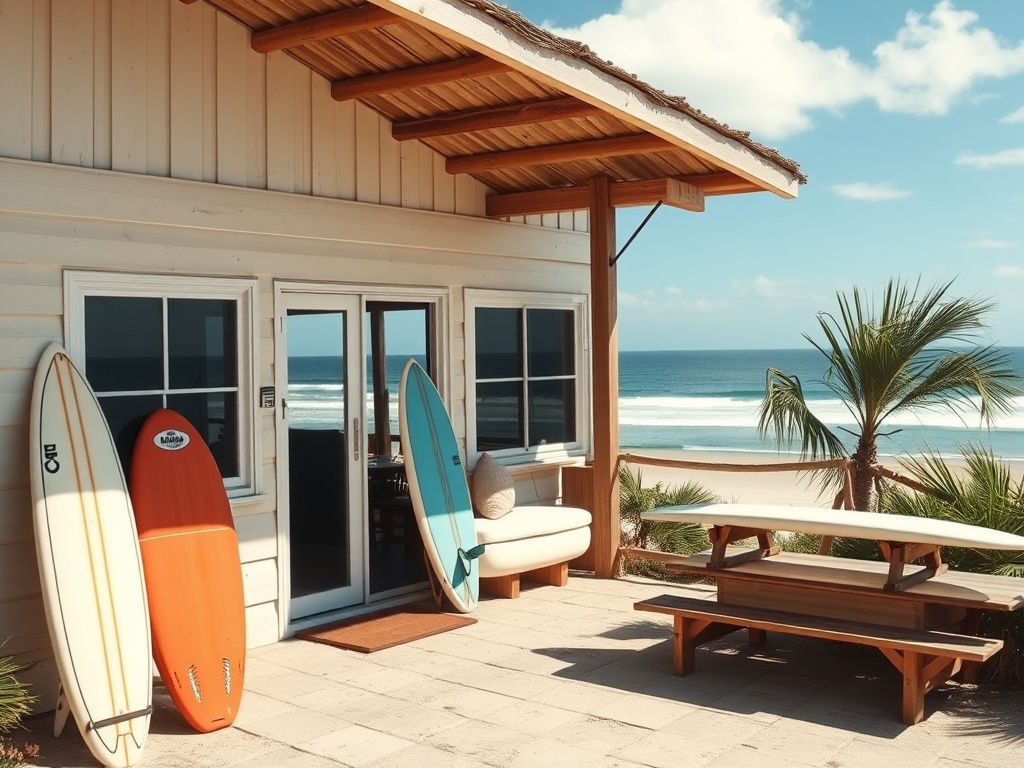
Bring vs Rent: Decide Before You Go
This is a classic dilemma. Bringing your board guarantees familiarity—but adds cost, risk, and hassle.
Bring your board if:
- You're intermediate/advanced and picky
- The destination has limited rental quality
- You're staying long enough to justify airline fees
Rent if:
- You're beginner to early intermediate
- The destination has a solid surf infrastructure
- You want flexibility for different conditions
Pro tip: Even if you bring a board, know where to rent backups. Boards snap. It happens.

Understand the Break Before You Paddle Out
This is where most people embarrass themselves—or worse, get hurt.
Before you even wax your board, spend time watching:
- Where waves are breaking consistently
- Entry and exit points
- Current direction
- Local surfers' positioning
If it's a reef break, understand the tide. If it's a beach break, identify shifting peaks.
And yes, respect local etiquette. Dropping in on someone in a new lineup is the fastest way to get shut down.

Pack Like a Surfer (Not a Tourist)
Overpacking is common. Underpacking key items is worse.
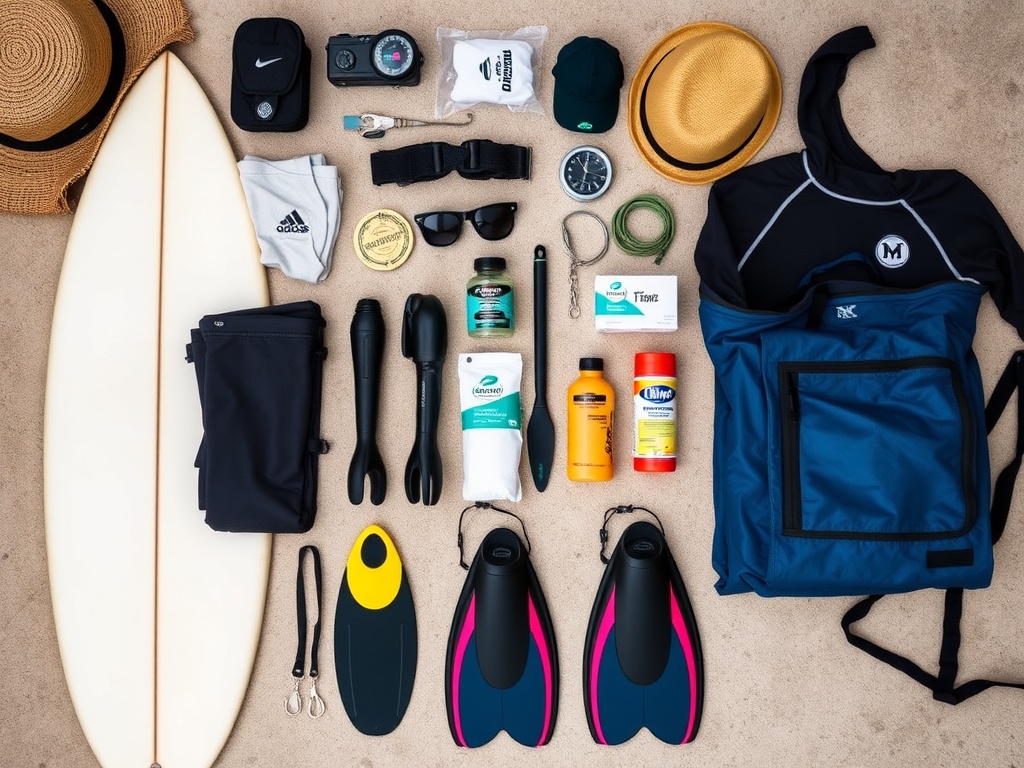
Essentials you actually need:
- Rash guards and/or wetsuit (depending on location)
- Reef booties if applicable
- Spare leash and fins
- Surf wax for expected water temperature
- Basic first aid (reef cuts happen)
Skip the unnecessary outfits. You'll rotate the same few items between surf, food, and sleep.
Build a Simple Daily Rhythm
The best surf trips follow a rhythm, not a rigid itinerary.
A typical high-success day looks like:
- Dawn patrol (best conditions)
- Breakfast + rest
- Midday exploration or nap
- Afternoon/evening session if wind allows
Don't over-schedule activities. The goal is to be available when conditions turn on.
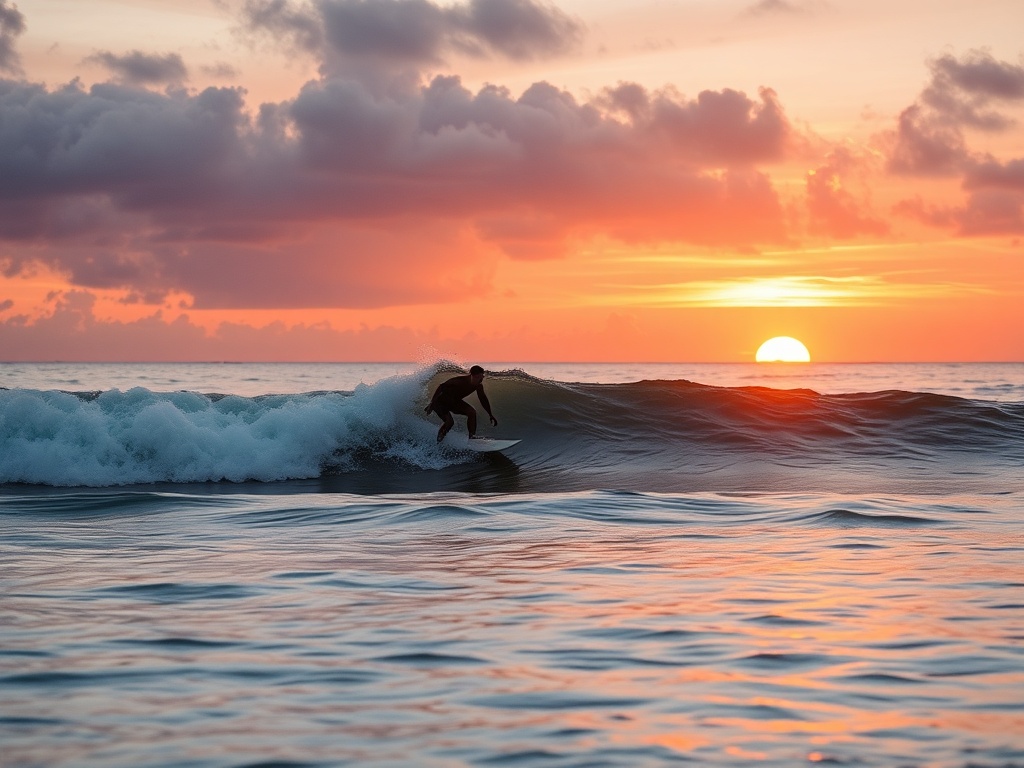
Manage Your Energy (This Is Where Trips Fall Apart)
Surfing multiple sessions a day sounds great until your shoulders give out by day three.
Pace yourself early. Hydrate constantly. Eat real food, not just snacks.
And accept this: not every session needs to be max effort. Some sessions are for positioning, timing, and reading waves.

Have a Backup Plan (Always)
Flat spells happen. Storms happen. Crowds spike.
Smart surfers build fallback options:
- Nearby alternative breaks
- Non-surf activities (hikes, local food, exploring)
- Flexibility in schedule
A good trip isn't just about perfect waves—it's about adapting when they aren't.

Final Thought: Optimize for Time in the Water
Everything in this guide comes down to one thing: maximize your time in quality waves.
Not in transit. Not waiting. Not guessing.
If you choose the right destination, time it properly, stay close to the break, and keep your setup simple, you'll get more real surf in fewer days than most people manage in weeks.
And that's the difference between a trip you forget and one you measure every future surf trip against.