
How to Plan the Perfect Surf Trip: A No-BS Guide That Actually Works

Planning a surf trip sounds romantic until you're sitting on the wrong beach, in the wrong season, with flat water and overpriced rentals. I've made those mistakes so you don’t have to. This guide is the straight version—the one that actually helps you score waves instead of just taking photos of them.
Choose the Right Destination (Not the Popular One)

The biggest mistake beginners make is chasing hype instead of conditions. Bali in peak season? Crowded. Tulum? Beautiful, but inconsistent for surf. Portugal in winter? Incredible—if you can handle it.
Instead, match your skill level and expectations to a destination:
- Beginner: Waikiki, Sayulita, Taghazout
- Intermediate: Costa Rica, Ericeira, Lombok
- Advanced: Mentawai Islands, Pipeline, Teahupo’o
If you remember one thing: uncrowded, consistent beats famous every time.
Time Your Trip Around Swell, Not Vacation Days
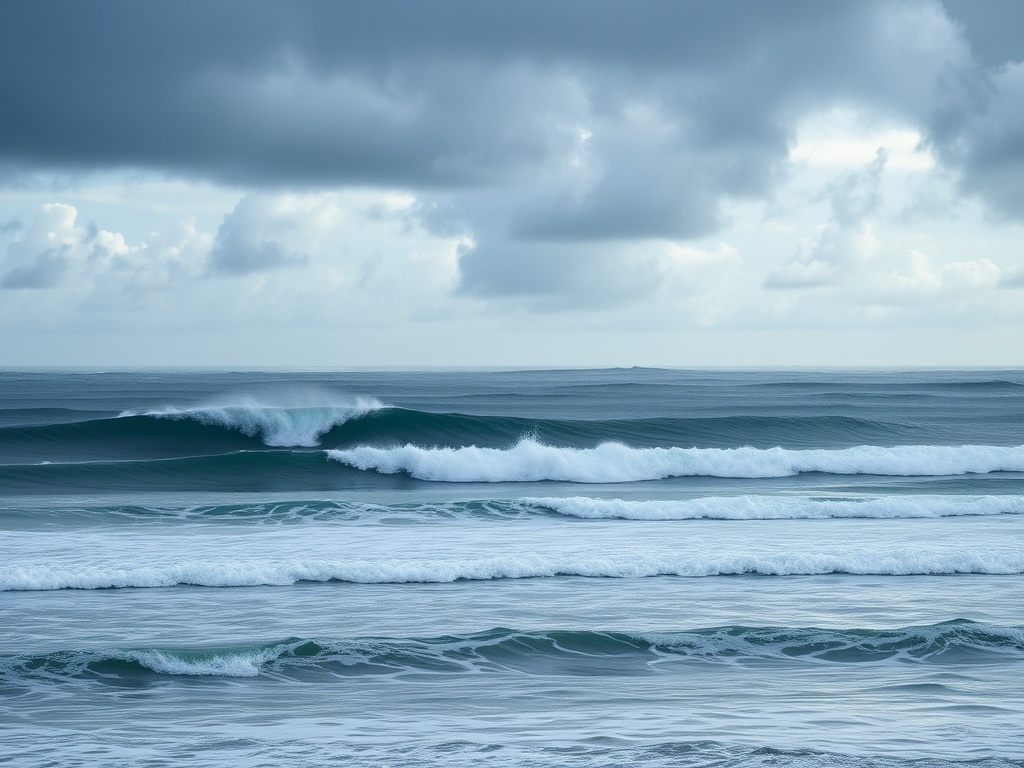
This is where most trips fail. Surf is not guaranteed—it’s seasonal.
Each destination has a swell window:
- Indonesia: May–September
- Hawaii North Shore: November–February
- California: Winter for size, summer for beginners
Check swell charts before booking. If you're planning months ahead, research historical averages. Flexibility beats fixed dates.
Pick Accommodation Based on Break Access

Being close to the water changes everything. Dawn patrol sessions are the difference between scoring empty waves and fighting crowds.
Look for:
- Walking distance to breaks
- Board storage
- Local surf knowledge (hosts matter)
A cheaper place 20 minutes away often costs you your best sessions.
Bring the Right Gear (Or Regret It)
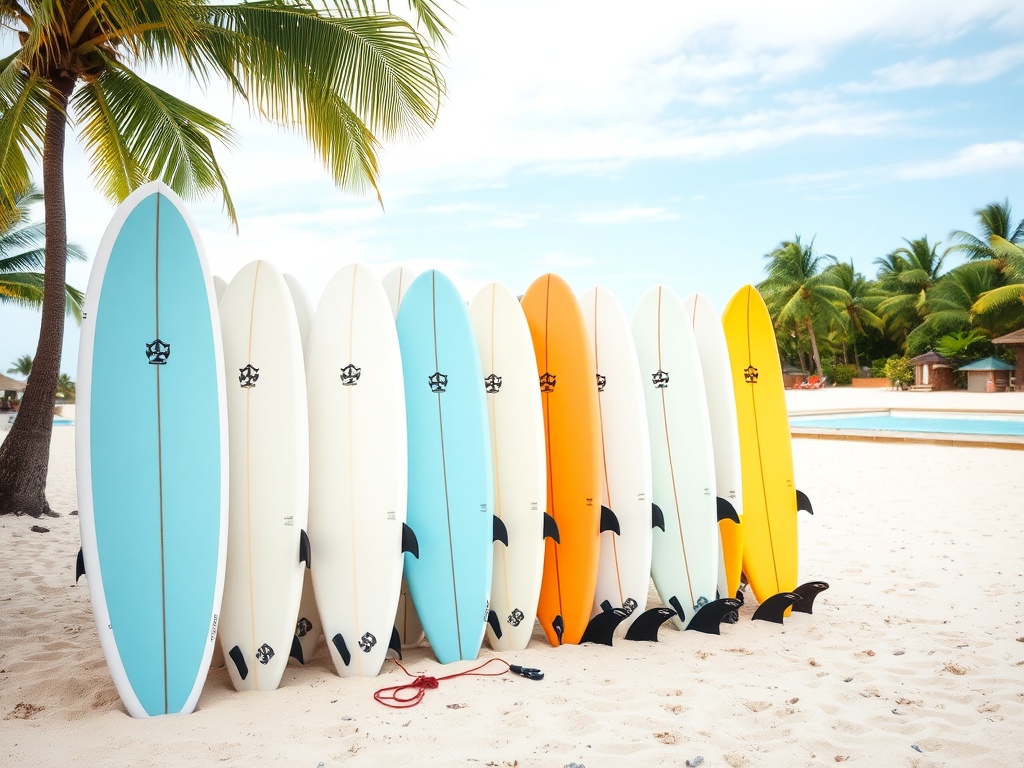
Renting works—until it doesn’t. Boards are often dinged, wrong size, or unavailable when the swell hits.
Essentials:
- Your go-to board (if possible)
- Backup leash and fins
- Wax suited to water temperature
- Reef-safe sunscreen
If traveling light, research rental shops in advance and reserve gear.
Understand the Break Before You Paddle Out
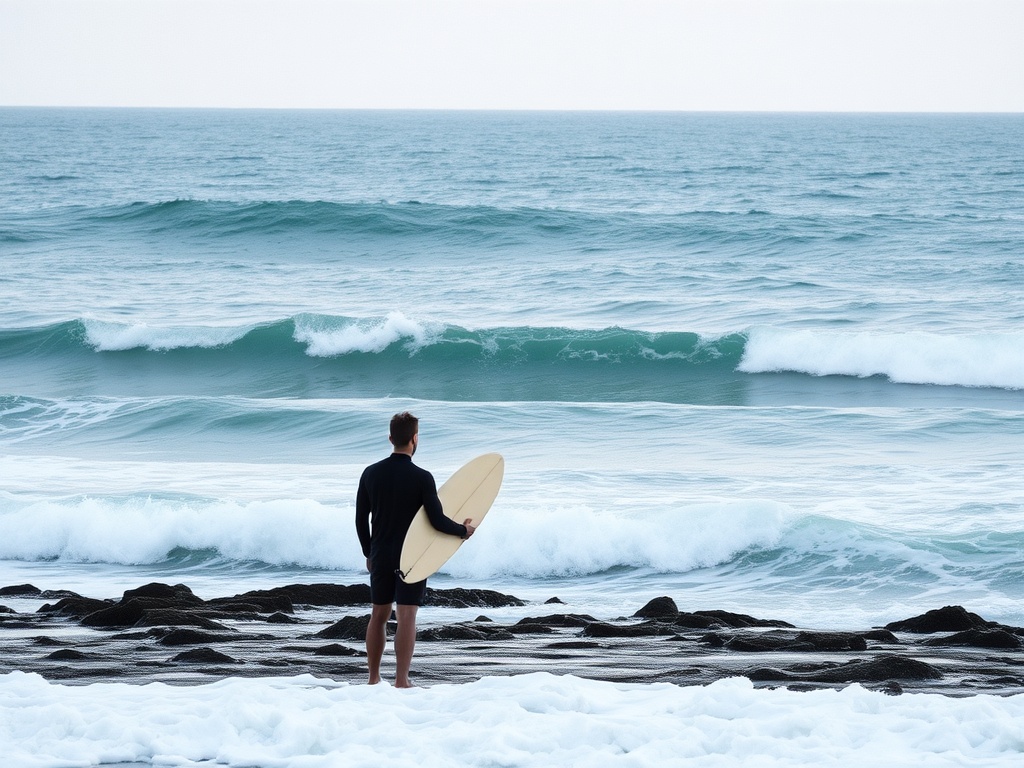
Every break has rules—unwritten ones that matter.
Before entering the water:
- Watch the lineup for 15–20 minutes
- Identify currents and entry/exit points
- Respect priority and locals
This isn’t just etiquette—it’s safety.
Build Your Days Around the Ocean
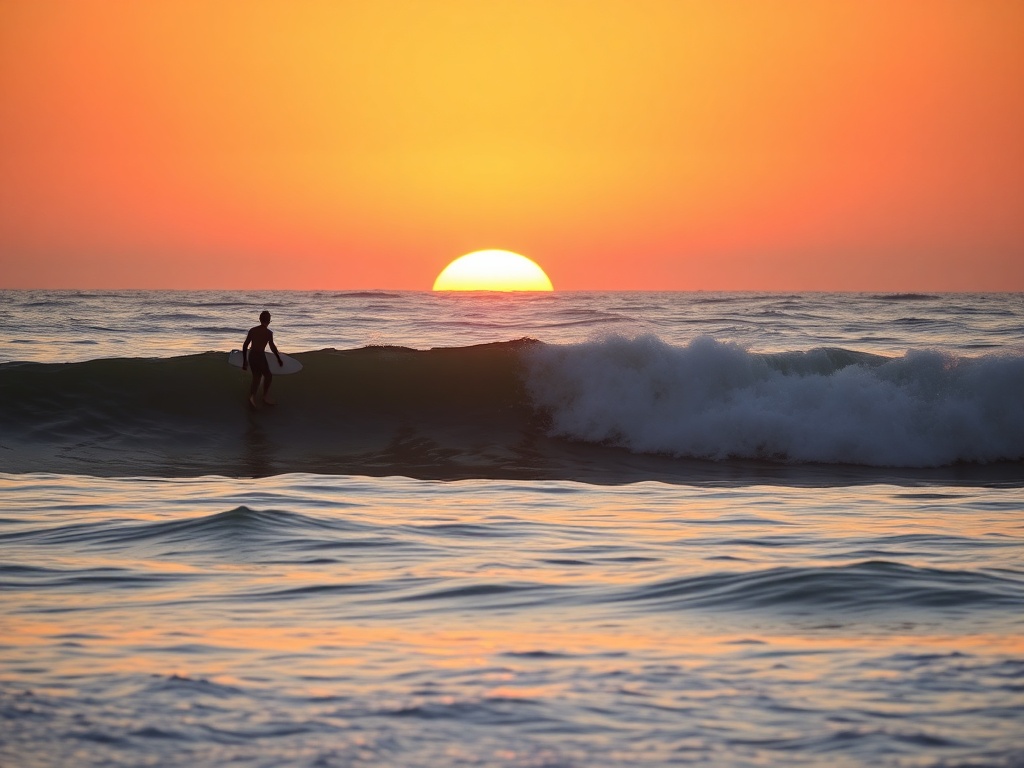
Forget normal schedules. Surf days follow conditions:
- Dawn patrol for clean waves
- Midday rest (or explore)
- Evening session if wind drops
Trying to “fit in” surfing between other plans is how you miss the best windows.
Budget Smart (Spend Where It Counts)

You don’t need luxury—but you do need smart priorities.
- Spend on location (close to surf)
- Save on nightlife and extras
- Invest in reliable gear
The best trips aren’t the most expensive—they’re the most dialed in.
Have a Backup Plan for Flat Days

Flat spells happen. The difference between frustration and a great trip is how you handle them.
Options:
- Explore nearby breaks
- Try a different board (longboard, fish)
- Enjoy the destination—hiking, food, culture
Good surfers adapt. Great trips do too.
Respect the Culture (This Matters More Than You Think)
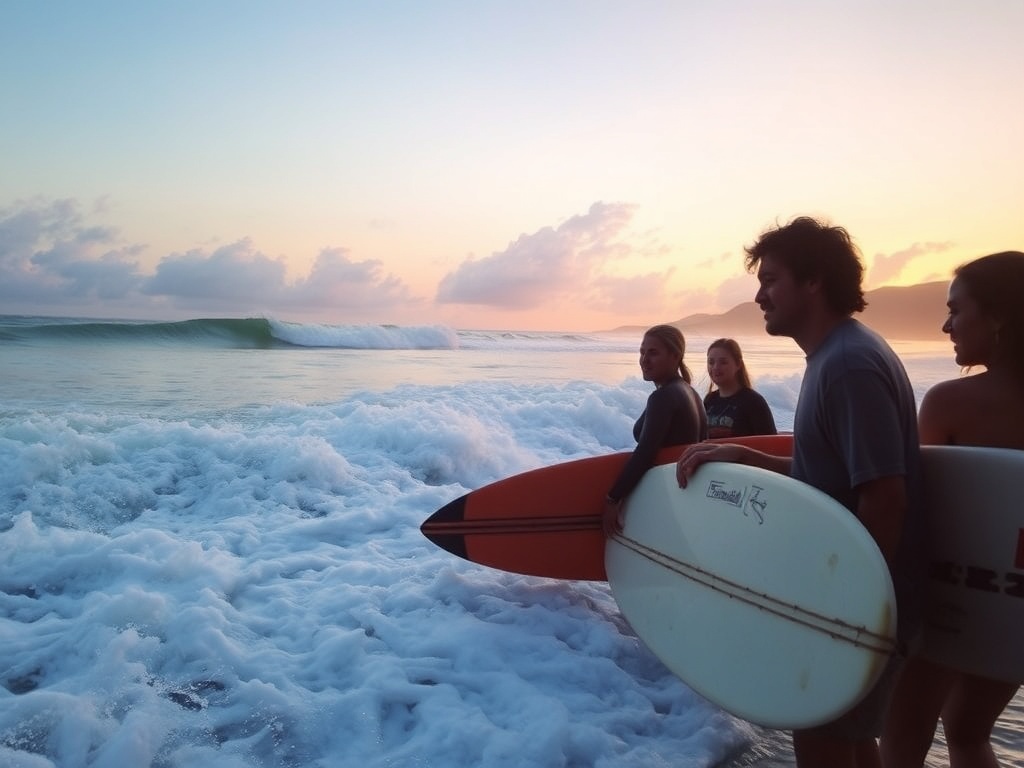
Surfing is local everywhere. Acting like a tourist in the lineup will get you nowhere fast.
Simple rules:
- Don’t drop in
- Wait your turn
- Be friendly, not entitled
You’ll get more waves—and better experiences—by respecting the lineup.
Final Thoughts: The Trip Is About More Than Waves
The best surf trips aren’t perfect. They’re memorable. Missed swells, unexpected sessions, random conversations—those are the parts that stick.
Plan smart, stay flexible, and don’t overthink it once you’re there.
The ocean doesn’t care about your itinerary. That’s the point.