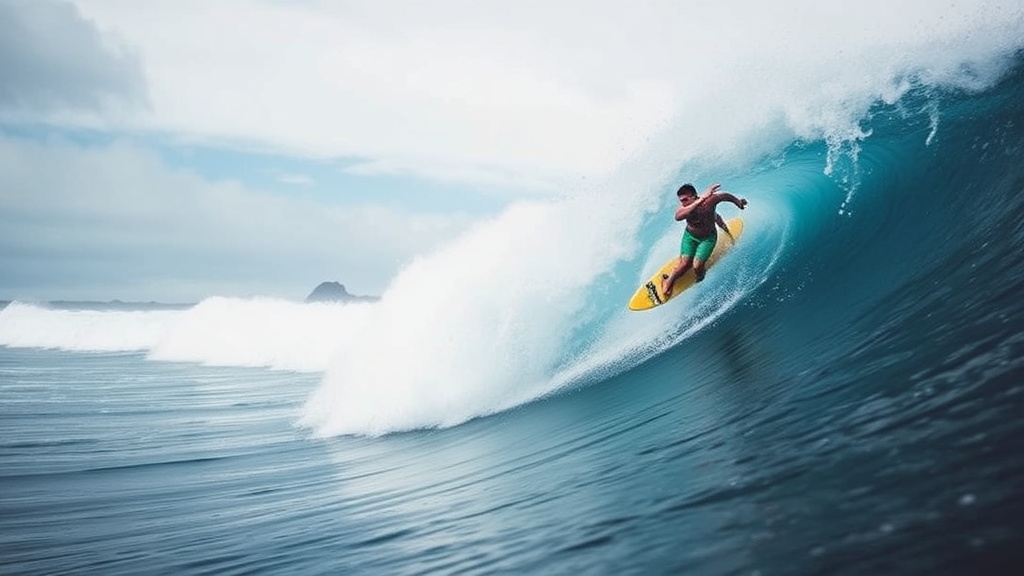
How to Plan the Perfect Surf Trip: Timing, Gear, and Spots That Actually Deliver

Most surf trips fail for boring reasons. Not because the destination sucks, but because the timing is off, the swell doesn’t show, or you brought the wrong board and spent a week pretending it was “fun anyway.”
This guide fixes that. It’s built for people who want real waves, not just pretty beaches and a few Instagram clips.
Pick the Right Destination (Not Just the Popular One)

There’s a difference between famous and consistent. Bali is famous. Parts of it are also ridiculously crowded. Meanwhile, places like Nicaragua, Sri Lanka, or Portugal quietly deliver better sessions depending on the season.
Ask yourself first:
- What skill level am I actually at?
- Do I want performance waves or something forgiving?
- Am I okay with crowds, or do I want space?
If you’re intermediate, avoid destinations that look cool but are dominated by shallow reefs and heavy locals. If you’re advanced, skip soft beach breaks unless you’re deliberately chasing mellow sessions.
The best trips happen when your ability matches the wave — not when your ego picks the destination.
Understand Swell Seasons (This Is Everything)
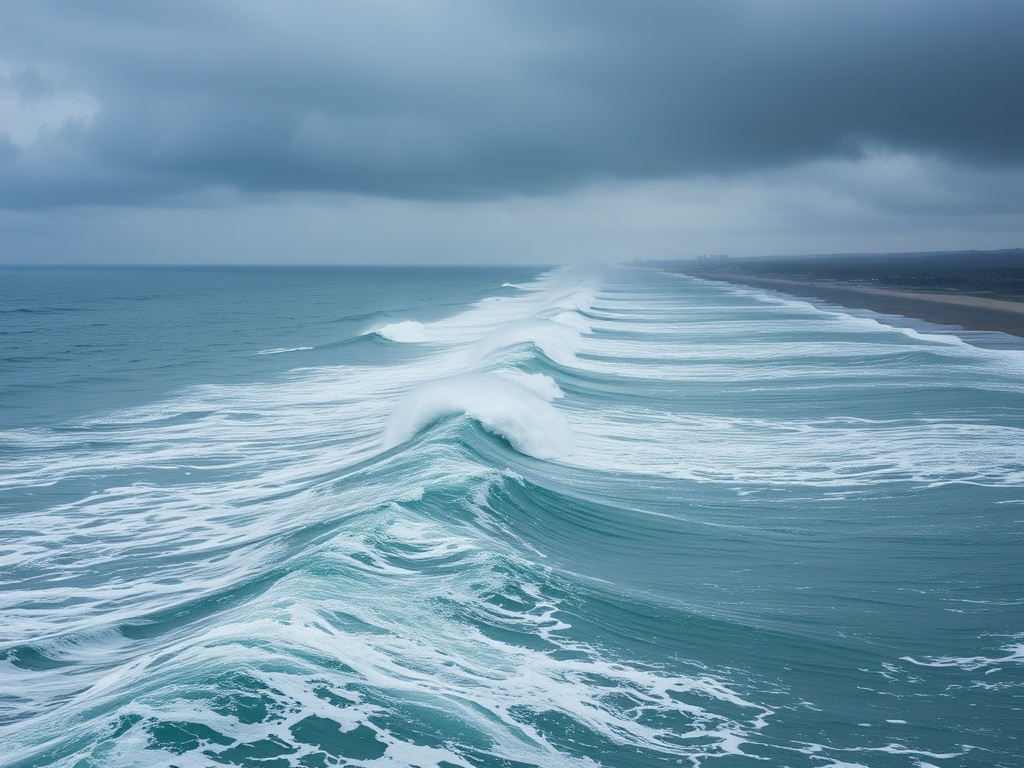
You can go anywhere in the world and score nothing if you show up at the wrong time.
Every surf destination has a primary swell window. Miss it, and you’re gambling.
- Indonesia: May–September (dry season, consistent SW swells)
- Central America: April–October (south swells, offshore winds)
- Europe: October–March (North Atlantic storms)
- Australia East Coast: Year-round, but best March–August
Then there’s wind. Offshore winds groom waves. Onshore winds destroy them. A perfect swell with bad wind is still a bad session.
Before booking anything, check historical swell charts, not just travel blogs. Patterns matter more than hype.
Choose the Right Board (Not Your Favorite One)

This is where most people sabotage their trip.
They bring the board they like — not the board that works.
Match your board to conditions:
- Small, weak waves → fish or groveler
- Hollow reef breaks → step-up or performance shortboard
- Unpredictable mix → bring a 2-board quiver
If you’re flying internationally, baggage fees hurt. But showing up undergunned hurts more.
Also: don’t rely on rentals unless you’re going somewhere with a legit surf infrastructure. Many “rental boards” are beat up and wrong for the conditions.
Plan Around Crowds (Yes, You Can Avoid Them)
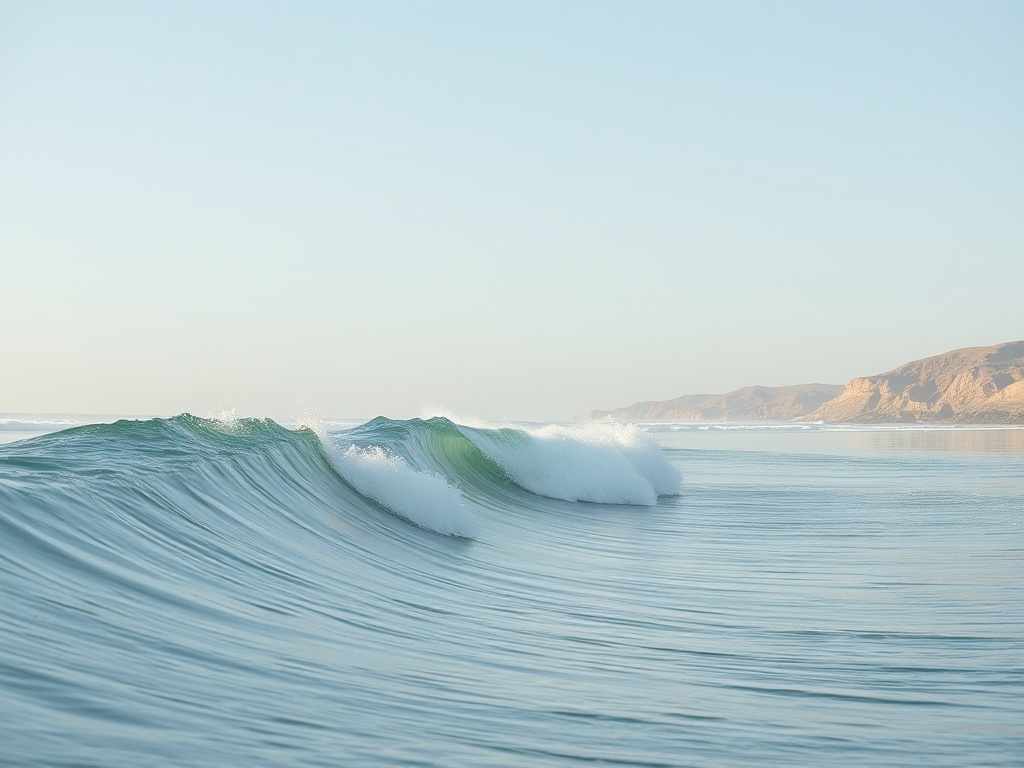
Crowds ruin more surf trips than bad waves.
There are three ways to deal with them:
- Go off-season: Slightly worse conditions, far fewer people
- Surf at odd hours: Dawn and late sessions beat mid-day chaos
- Stay near lesser-known breaks: Not every good wave is on Google Maps
If your plan is to surf one famous spot every day, expect frustration. Good trips involve flexibility and a willingness to move.
Dial in Logistics Before You Arrive

Logistics don’t sound exciting, but they decide how much you actually surf.
- Transport: Can you reach multiple breaks easily?
- Accommodation: Walking distance to surf saves energy
- Board storage: Secure, shaded, and accessible
In places like Costa Rica or Morocco, having a car changes everything. In Bali, it’s optional. In remote regions, it’s non-negotiable.
Build a Simple Daily Strategy
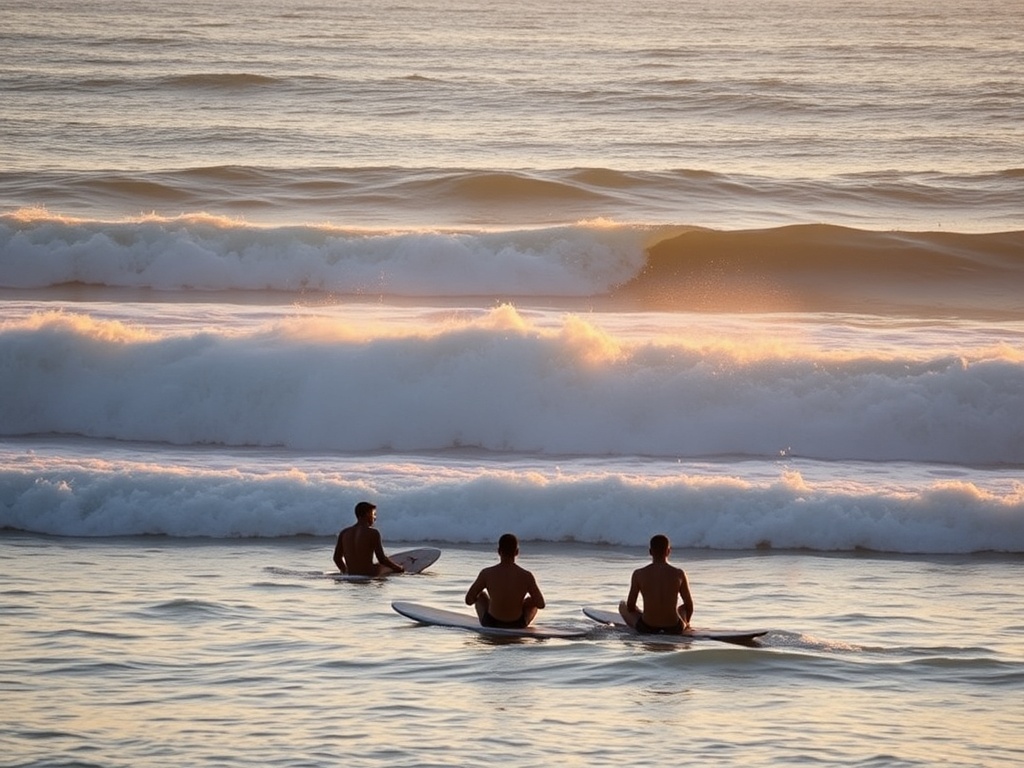
Don’t wing your days. Even loose structure improves your sessions.
A simple approach:
- Dawn patrol (best wind, fewer people)
- Midday rest (food, nap, scouting)
- Late afternoon session (often glassy again)
Surfing three mediocre sessions is worse than two well-timed ones.
Know When to Move On
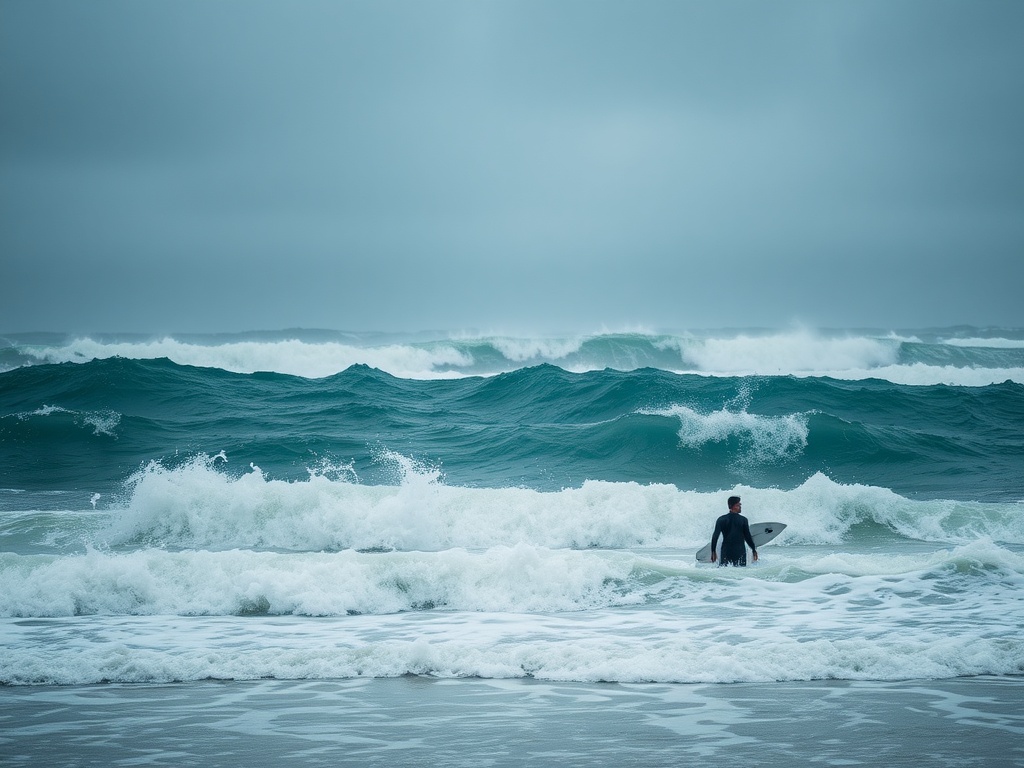
This is where experienced surfers separate themselves.
If conditions are bad for multiple days, move. Even a 1–2 hour drive can completely change the setup.
Being stubborn wastes time. The best surf travelers treat location as flexible, not fixed.
Pack Like You’ve Done This Before
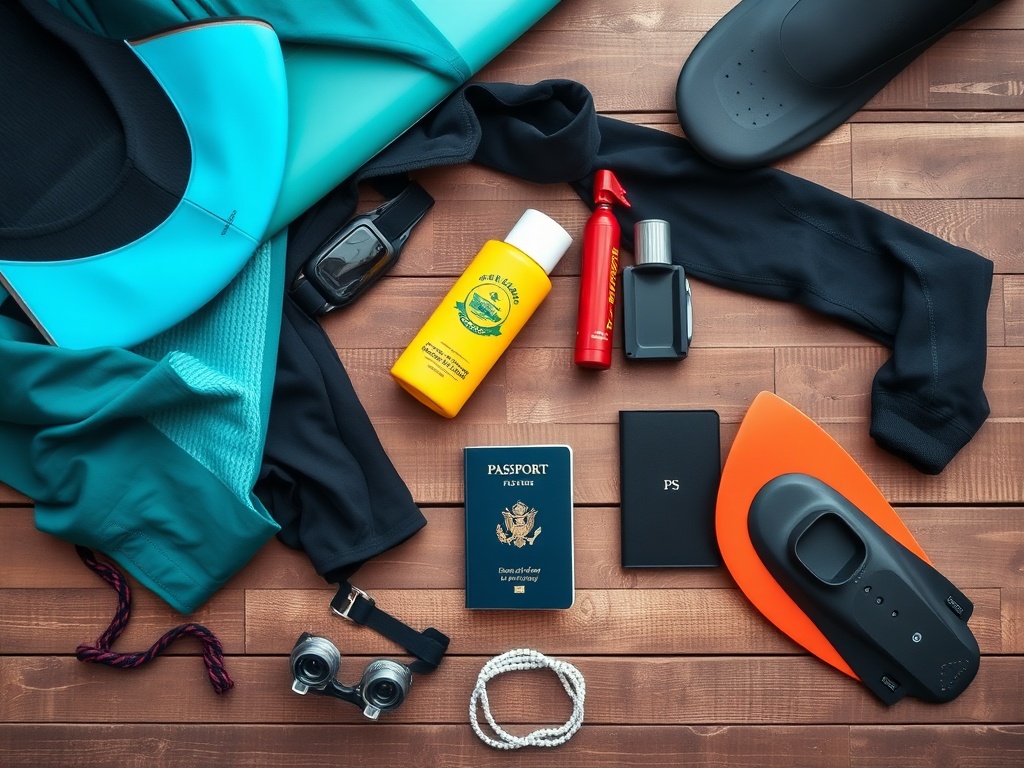
Overpacking is annoying. Underpacking is worse.
Non-negotiables:
- Reef-safe sunscreen
- Extra leash and fins
- Wax for the right water temp
- Basic ding repair kit
Small things break. Remote places don’t always have replacements.
Set Real Expectations (This Is the Difference Maker)

Even perfect trips include flat days, bad sessions, and missed windows.
If you expect perfection, you’ll be disappointed. If you expect variability, you’ll adapt — and score when it counts.
The goal isn’t nonstop waves. It’s stacking enough good sessions that the trip feels worth it.
Final Take
The difference between an average surf trip and a great one isn’t luck. It’s timing, preparation, and flexibility.
Get those right, and even “mid-tier” destinations can deliver unforgettable sessions. Get them wrong, and even world-class spots feel overrated.
Plan smarter, not harder — and surf where it actually works.