How to Plan Your First Epic Surf Trip: A Complete Guide

Planning a surf trip involves more than booking a flight and hoping for waves. This guide breaks down everything needed for an unforgettable first adventure—from picking the right destination and timing to gear selection, budgeting, and safety considerations. Whether chasing beginner-friendly breaks in Costa Rica or intermediate reef passes in Indonesia, these steps ensure the experience lives up to the hype.
Where Should Beginners Go for Their First Surf Trip?
The best beginner surf destinations offer warm water, consistent small waves, and surf camps with qualified instructors. Costa Rica's Nosara and Santa Teresa rank among the top choices for first-timers—think waist-high rollers, sandy bottoms, and a laid-back vibe that makes learning actually enjoyable.
Other standout options include:
- Portugal's Algarve region — particularly Arrifana and Amado, where summer swells stay manageable and the water (while chilly) rewards with stunning coastlines
- Bali's Bukit Peninsula — specifically Dreamland and Padang Padang's inside section, though beginners should avoid the outer reef breaks
- Nicaragua's San Juan del Sur — offshore winds almost daily create glassy, clean conditions perfect for practicing pop-ups
- Morocco's Taghazout — Banana Beach and Devil's Rock offer forgiving rights with a cultural experience that extends well beyond surfing
The catch? Don't get seduced by famous names. Pipeline, Teahupo'o, and Mavericks make for great YouTube content—but they're death traps for beginners. Stick to spots with beach breaks (sand bottom) rather than reef or point breaks while building confidence.
What Gear Do You Actually Need to Bring?
Pack a board suited to skill level, reef-safe sunscreen, and a solid first-aid kit. Most surf destinations have rental shops—but bringing personal gear ensures quality and familiarity.
Board Selection by Ability
Beginners often make the mistake of grabbing shortboards because they look cool. Here's the reality: more foam equals more waves. A 7'6" funboard or 8'0" foamie (like the Catch Surf Odysea Log) catches waves earlier, paddles easier, and forgives mistakes.
| Skill Level | Board Type | Volume (Liters) | Price Range (New) |
|---|---|---|---|
| Complete beginner | Soft-top foam board (8'0"-9'0") | 60-80L | $200-$450 |
| Beginner-intermediate | Funboard / Mini-mal (7'0"-8'0") | 45-60L | $400-$800 |
| Intermediate | Hybrid / Fish (6'4"-7'2") | 35-45L | $500-$900 |
| Advanced | Shortboard (5'8"-6'4") | 25-35L | $600-$1,200 |
Worth noting: airlines charge board fees—usually $75-$150 each way. Surfline's airline policy guide breaks down carrier-specific rules. Some budget airlines (looking at you, Ryanair) charge outrageous fees that might exceed the cost of renting locally.
Wetsuits and Accessories
Water temperature dictates rubber thickness. Costa Rica and Bali? Board shorts or a springsuit. Portugal and Morocco? You'll need a 3/2mm full suit in summer, 4/3mm in winter. The Patagonia R3 and O'Neill Psycho Tech represent solid mid-range options that balance warmth and flexibility.
Don't forget:
- Reef booties — mandatory for sharp coral bottoms (common in Indonesia and Hawaii)
- Leash — bring a backup; snapping one in overhead surf isn't fun
- Ding repair kit — tropical heat turns small dings into delaminated disasters fast
- Waterproof watch or tide timer — the Casio G-Shock G-Lide series handles saltwater abuse
How Much Does a Surf Trip Actually Cost?
Budget $1,500-$3,000 for a week-long beginner surf trip to Central America, or $2,500-$5,000 for premium destinations like the Maldives or Mentawais. Costs vary dramatically based on accommodation style, board rental versus purchase, and whether you book a package or go independent.
Sample Budget Breakdown (Costa Rica, 7 Days)
| Expense Category | Budget Option | Mid-Range | Premium |
|---|---|---|---|
| Flight (from US/Canada) | $400 | $550 | $800 |
| Accommodation | $210 (hostel dorm) | $700 (surf hostel private) | $1,400 (boutique surf lodge) |
| Board rental | $105 ($15/day) | $140 ($20/day) | $245 (premium boards) |
| Surf lessons (5 days) | $200 (group) | $350 (semi-private) | $600 (private coaching) |
| Food | $150 (local sodas) | $280 (mix of local/restaurants) | $500 (lodge meals + dining out) |
| Transportation | $50 (shuttle/bus) | $150 (shared transfers) | $350 (private driver) |
| Total | $1,115 | $2,170 | $3,895 |
Here's the thing: the "budget" column above still delivers an incredible experience. Some of the best surf trips happen from $25/night hostels where you meet other travelers, share waves, and cook communal meals. That said—splurging on at least a few private lessons accelerates progress exponentially.
When Is the Best Time to Book Your Trip?
Timing depends entirely on destination hemisphere and swell patterns. Research the specific region's surf seasons—there's no universal "best time" that applies everywhere.
Central America (Costa Rica, Nicaragua, El Salvador): April through October brings consistent south swells and offshore winds. The rainy season (May-November) means afternoon downpours but empty lineups and cheaper accommodation.
Indonesia: Dry season (April-October) offers glassy conditions and reliable trade winds. The wet season can still produce epic sessions—just with more variable conditions and afternoon storms.
Morocco: September through April delivers the best swells, though winter brings bigger waves suited to intermediates and above. Summer works for beginners but expect flat spells.
Portugal: Autumn (September-November) combines warm water, fewer crowds, and consistent Atlantic swells. Winter pumps but demands serious rubber and experience.
Book accommodations 2-3 months ahead for peak season (December-January, July-August). Shoulder seasons offer better rates and—often—better waves with less crowd pressure.
Understanding Surf Forecasts
Before committing to dates, spend time on Magicseaweed or Surfline studying historical data. Look for:
- Swell height — measured in feet; beginners want 2-4 foot faces
- Swell period — longer periods (12+ seconds) mean more powerful, organized waves
- Wind direction — offshore winds (blowing from land to sea) groom waves; onshore winds (sea to land) create chop
- Tide times — some breaks only work at specific tides
What Safety Considerations Matter Most?
Respect the ocean, know your limits, and understand local hazards before paddling out. Rip currents, reef cuts, and surf etiquette violations cause more injuries than the waves themselves.
Rip currents deserve particular attention—they're responsible for 80% of surf rescues. If caught in one: don't panic, don't fight directly against it, swim parallel to shore until out of the current, then angle back to beach. Every ocean swimmer should recognize the signs: discolored water, debris moving seaward, or a channel of choppy water between calmer sections.
Other safety essentials:
- Surf etiquette — the surfer closest to the peak has right of way; never "drop in" on someone already riding
- Reef awareness — in tropical destinations, coral cuts get infected fast; clean immediately with fresh water and antiseptic
- Sun protection — zinc oxide (sun Bum, Sun Zapper) protects lips and face; rash guards prevent back burns during long sessions
- Travel insurance — policies like World Nomads cover surf-related injuries and board damage
- Local knowledge — chat with shop owners or instructors about current conditions, hidden rocks, and territorial locals
Pack a basic medical kit: waterproof bandages, antiseptic wipes, hydrocortisone cream (for jellyfish stings), and ear drops (swimmer's ear ruins trips). In remote destinations, consider emergency evacuation insurance—helicopter rescues from the Mentawais or Maldives start at $50,000.
How Do You Make the Most of the Experience?
Embrace the slower pace, connect with local culture, and remember that surfing is about joy—not performance. The best surf trips balance wave-chasing with exploration, rest, and genuine human connection.
Wake up early. Dawn patrol sessions (sunrise) offer the cleanest conditions, empty lineups, and a certain magic that fades as the day heats up. Eat local—Costa Rican gallo pinto, Portuguese pastel de nata, Balinese nasi goreng. The food tells as much of the story as the waves.
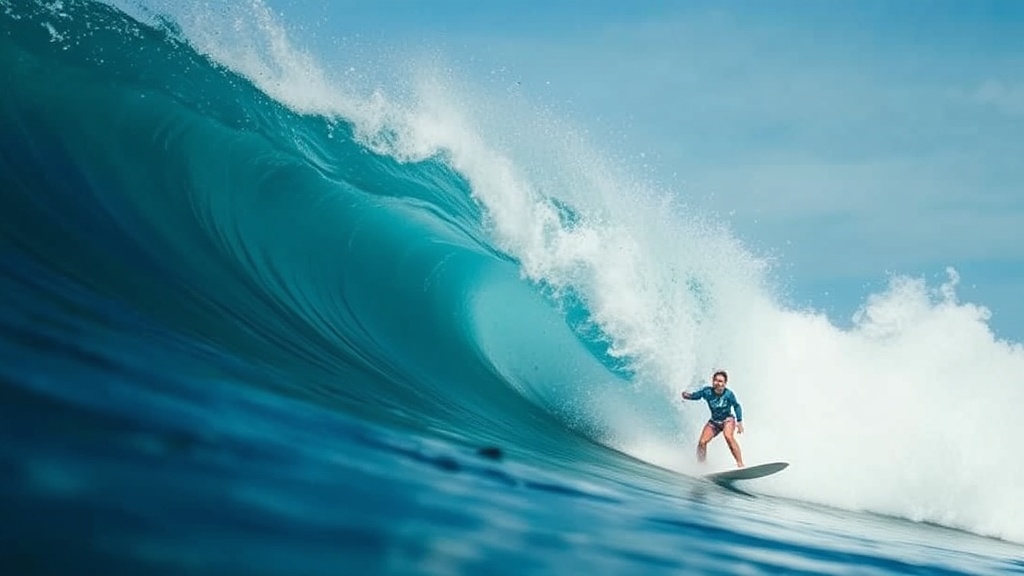
Document the trip, but don't live through a screen. A few photos? Absolutely. But the feeling of dropping into a clean wall of turquoise water—that lives in muscle memory, not Instagram feeds.
That said, don't expect to become a pro in one trip. Most beginners see dramatic improvement in wave count, paddling strength, and ocean awareness—but mastery takes years. Set realistic goals: stand up on ten waves in a session, catch an unbroken "green" wave, or simply exit the water smiling after three hours.
The ocean doesn't care about your itinerary. Some days the waves flatline; others, they're too big to handle gracefully. Flexibility separates frustrated tourists from stoked surfers. Build buffer days into the schedule. When the surf's pumping, cancel the waterfall hike—opportunities like that don't follow calendars.
Steps
- 1
Choose the Right Beginner-Friendly Destination
- 2
Book Your Surf Camp and Accommodation
- 3
Pack Essential Surf Gear and Travel Documents