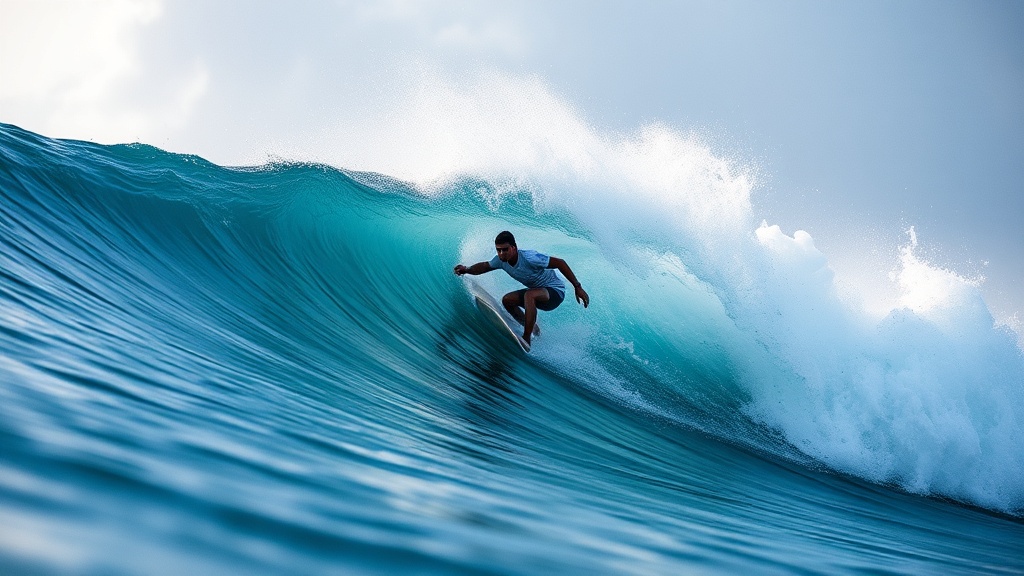
The One Surf Trip Habit That Instantly Makes You a Better Surfer

Quick Tip
Film every surf session and review it immediately to identify and fix one key mistake at a time.
Most people overcomplicate surf trips. They obsess over boards, forecast charts, and bucket-list breaks, then wonder why their surfing barely improves after two weeks in the water.
Here’s the blunt truth: the biggest jump in your surfing won’t come from a new board or chasing “perfect waves.” It comes from one habit that almost nobody commits to consistently.
Film every session.
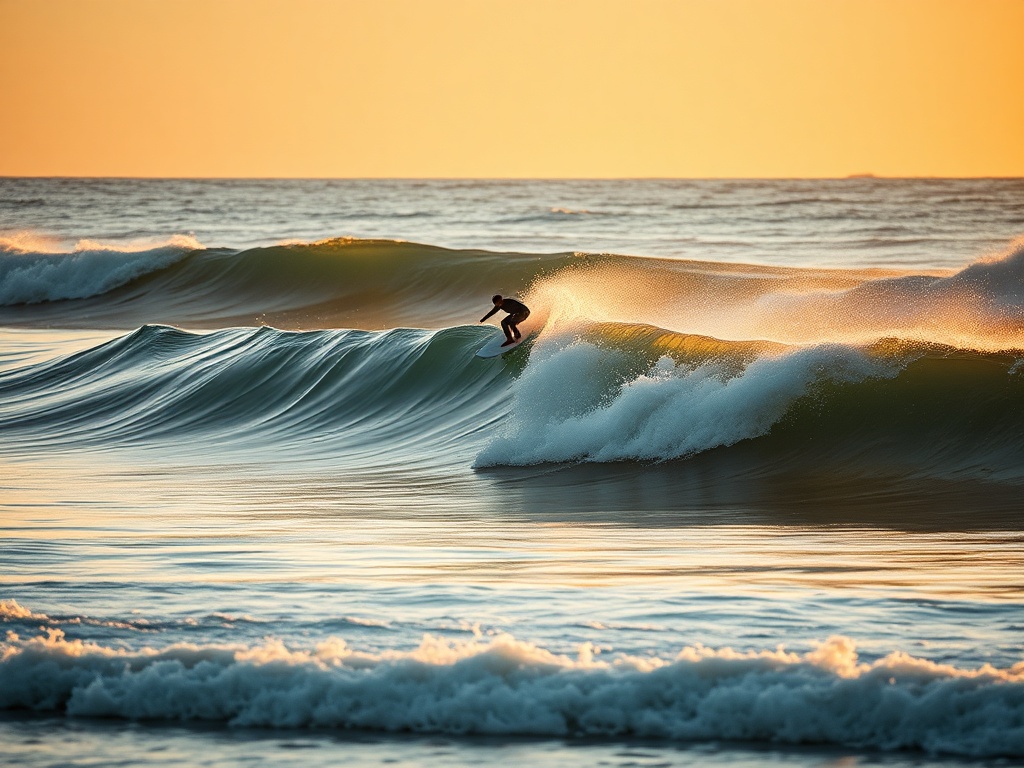
The One Habit That Changes Everything
If you do nothing else differently on your next surf trip, do this: get your surfing on video every single day.
Not once. Not when the waves are “good.” Every day.
This is the fastest way to close the gap between what you think you’re doing and what you’re actually doing. And that gap is massive.
Ask any intermediate surfer how they look on a wave. They’ll describe smooth turns, clean positioning, maybe even a little style. Then you show them the footage. It’s humbling.
Arms flailing. Late takeoffs. Turns that never really engage the rail.
Video doesn’t lie. That’s exactly why it works.
Why Most Surfers Avoid This (and Stay Stuck)
There’s a reason this isn’t common advice at your local break.
- It’s uncomfortable — seeing your actual surfing can bruise your ego fast.
- It takes effort — you need a tripod, a friend, or someone on the beach.
- It removes excuses — you can’t blame conditions when the footage is right there.
But those are exactly the reasons it works. It forces honesty into a sport where most progression is based on feel—and feel is unreliable.
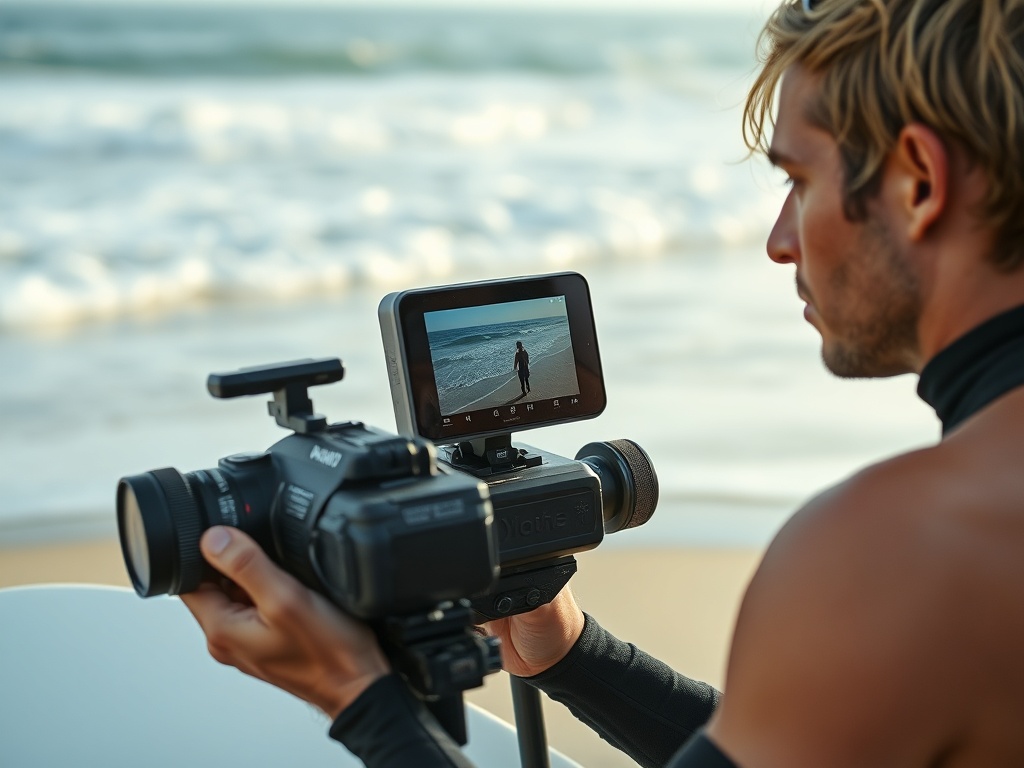
What You Actually Learn From Watching Yourself
This isn’t about vanity clips for Instagram. It’s about pattern recognition.
After a few sessions, you’ll start spotting the same issues repeating:
- You’re consistently too far back on the board during takeoff
- Your bottom turn is rushed and shallow
- You’re looking down instead of where you want to go
- You hesitate on steeper waves
These patterns are invisible when you’re in the water. On video, they’re obvious within seconds.
Once you see them, you can actually fix them.
How to Set This Up Without Turning Your Trip Into a Production
You don’t need a film crew. Keep it simple so you’ll actually stick with it.
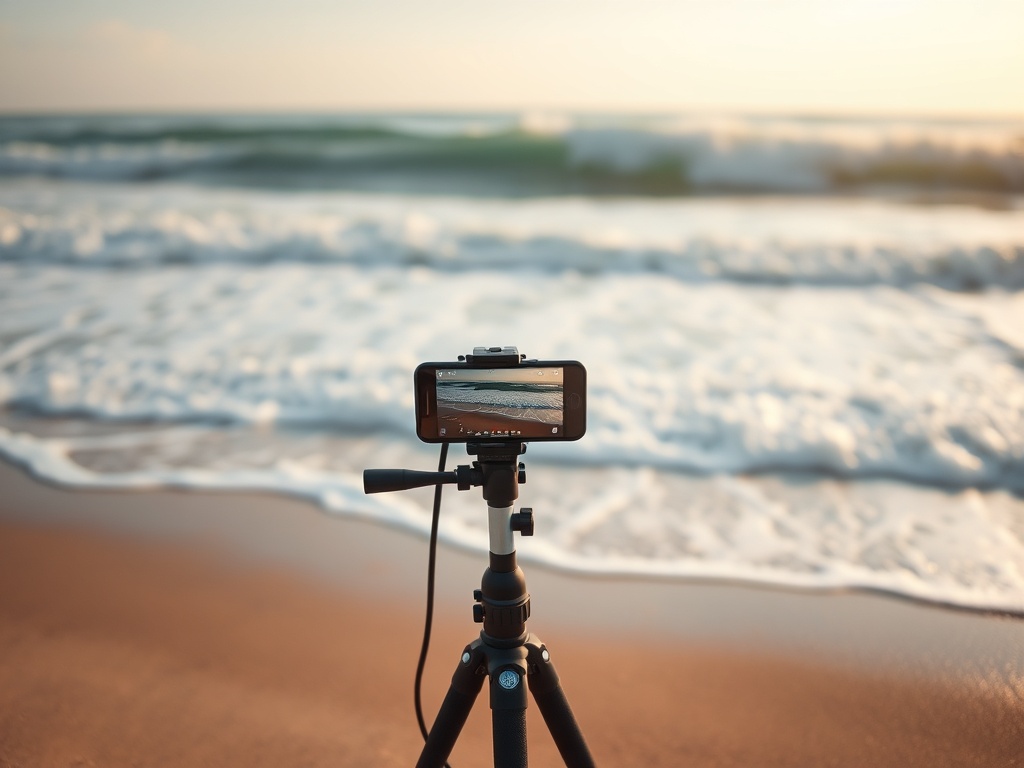
- Tripod + phone: Cheap, reliable, and good enough
- Surf buddy rotation: Take turns filming each other for 20–30 minutes
- Local filmer: In many surf towns, someone on the beach is already shooting
The key is consistency, not quality. Slightly shaky footage you review daily beats cinematic clips you never analyze.
The 10-Minute Review Rule
If you’re not careful, filming becomes another thing you do without extracting value. That’s where most people fail.
Use this simple rule: review your footage within 10 minutes of finishing your session.
Why so fast? Because your session is still fresh in your mind. You can connect what you felt with what actually happened.
Watch your waves once all the way through. Then watch again and pick just one thing to improve next session.
Not five things. One.
This keeps your focus tight and your progression measurable.
What to Focus On First (In Order)
Don’t try to fix style before fundamentals. Work through this priority stack:
- Takeoff position — are you in the right spot on the wave?
- Pop-up speed and stability
- Bottom turn depth and direction
- Where your eyes are looking
- Upper body rotation
If your takeoff is off, nothing after it matters. Video makes that painfully clear—and incredibly fixable.
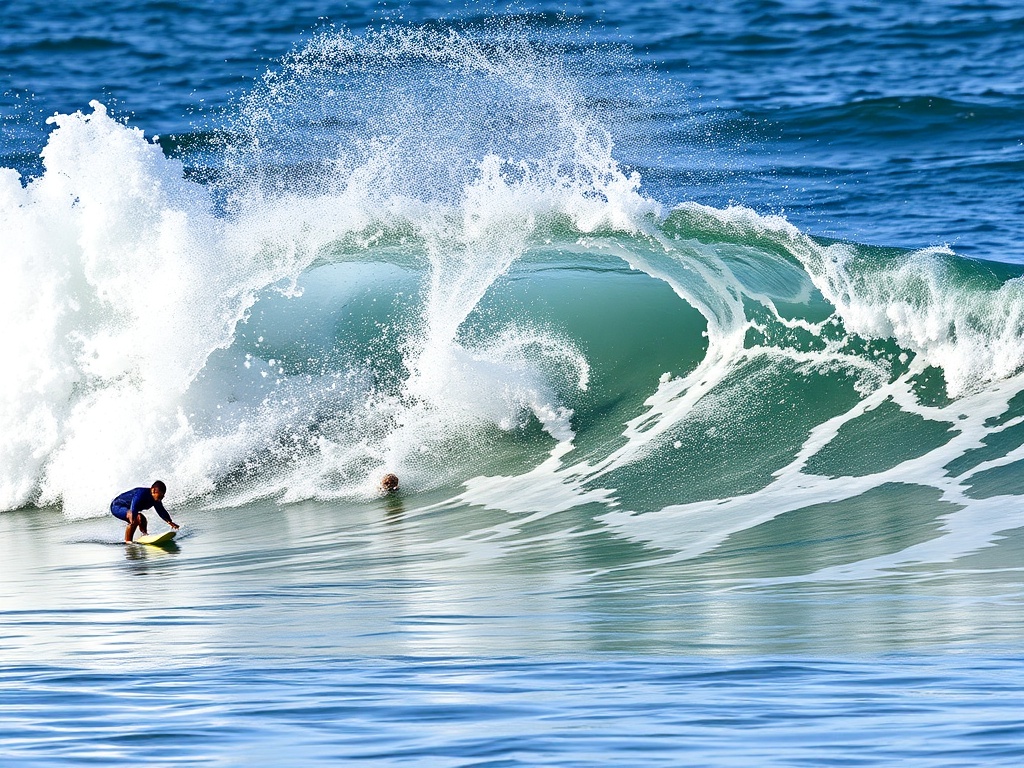
The Compounding Effect Over a 10-Day Trip
This is where things get interesting.
Most surf trips follow the same arc: a couple of good sessions, a few average ones, and maybe one standout day. Improvement is random.
When you film daily, progression stacks.
Day 1: You notice your takeoff is late.
Day 2: You fix positioning.
Day 3: You start hitting cleaner bottom turns.
Day 5: You’re linking turns you wouldn’t have attempted before.
Day 10: You’re a different surfer.
Not because the waves changed—but because your awareness did.
What This Looks Like in Real Surf Destinations
This habit works anywhere, but it shines in consistent setups.
- Bali (Canggu, Uluwatu): Repetition + predictable waves = rapid feedback loop
- Costa Rica (Tamarindo, Nosara): Easy beach access makes filming simple
- Portugal (Ericeira): Variety of breaks helps you test adjustments quickly
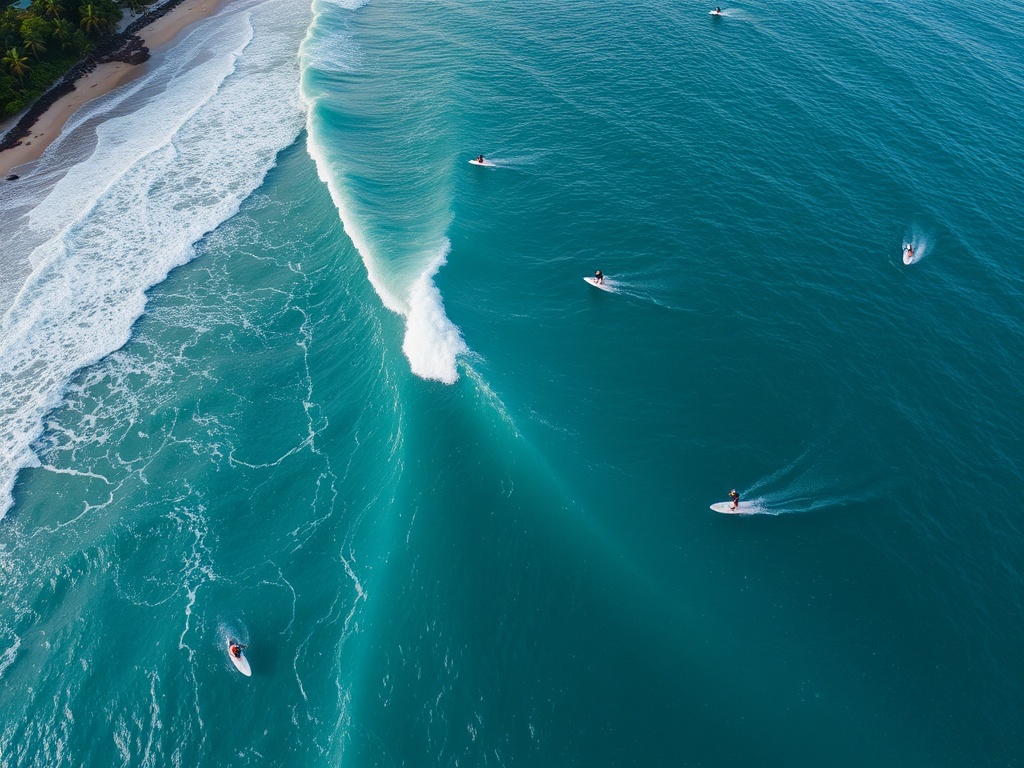
You don’t need perfect waves. You need repeatable waves and a camera angle that shows your mistakes clearly.
The Mindset Shift That Makes This Work
If you treat surfing like a casual activity, you’ll improve slowly. That’s fine.
If you treat it like a skill you’re actively refining, everything changes.
Filming forces that shift. It turns each session into a feedback loop instead of just time in the water.
You stop chasing waves and start chasing better execution.
Common Mistakes (So You Don’t Waste This)
- Only filming “good days” — you need average sessions to see real habits
- Overanalyzing everything — pick one fix per session
- Never reviewing footage — filming alone does nothing
- Comparing yourself to pros — compare yourself to yesterday
Why This Beats Buying New Gear
New boards are fun. They can help. But they won’t fix fundamental errors.
Video will.
If your takeoff is late, a better board won’t solve it. If your turns are weak, a new fin setup won’t magically create power.
Awareness is the unlock. Everything else comes after.
The Bottom Line
If you remember one thing for your next surf trip, make it this:
Film every session, review it immediately, and fix one thing at a time.
It’s not glamorous. It’s not trendy. But it works faster than anything else you can do.
And once you see yourself clearly, you won’t want to go back to guessing.