
The One Surf Trip Planning Habit That Changes Everything (And Saves You From Bad Waves)

Quick Tip
Plan your surf trip around conditions windows instead of fixed dates to maximize your chances of scoring great waves.
There’s a moment on every surf trip when it hits you: you either timed it perfectly… or you didn’t. The swell’s gone flat, the wind’s blown it out, or the tide’s completely wrong for the break you traveled halfway across the world to surf.
Here’s the uncomfortable truth: most surf trips fail long before you ever pack a board bag. They fail in how you plan.
The single habit that changes everything? You plan your trip around conditions windows, not dates.

What “Planning Around Conditions” Actually Means
Most people pick dates first. Flights, time off work, maybe a friend’s availability. Then they cross their fingers and hope the ocean cooperates.
That’s backwards.
Experienced surfers flip the process: they identify the best conditions window for a destination first, then build everything else around it.
This means looking at:
- Swell direction and consistency
- Wind patterns (seasonal, daily)
- Tide behavior at specific breaks
- Crowd levels during peak seasons
You’re not booking a vacation. You’re targeting a moving, unpredictable system.

Why This Habit Changes Your Entire Trip
Once you shift to planning around conditions, everything improves:
You Stop Gambling
Surfing is already uncertain. But choosing random dates adds unnecessary risk. Planning around conditions reduces that gamble dramatically.
You Score More Sessions
Instead of hoping for one good day in a week, you’re stacking odds in your favor for multiple quality sessions.
You Waste Less Money
Flights, accommodation, board transport—it adds up fast. A bad week of waves isn’t just disappointing, it’s expensive.
You Travel With Purpose
Your decisions become intentional. You’re not just “going somewhere warm.” You’re going when that place actually works.

How to Build a Conditions Window (Step-by-Step)
1. Identify the Break Type
Is your destination a reef, point, or beach break? Each responds differently to swell and tide.
Example: reef breaks often need specific tide ranges, while beach breaks are more forgiving but less predictable.
2. Study Seasonal Swell Patterns
Different regions light up at different times of year. Indo fires in dry season. Pacific coasts rely on winter swells. Shoulder seasons can be gold if you know what you’re doing.
3. Lock Down Wind Windows
Offshore winds are everything. Learn when mornings are clean, when trades pick up, and which months flip the pattern.
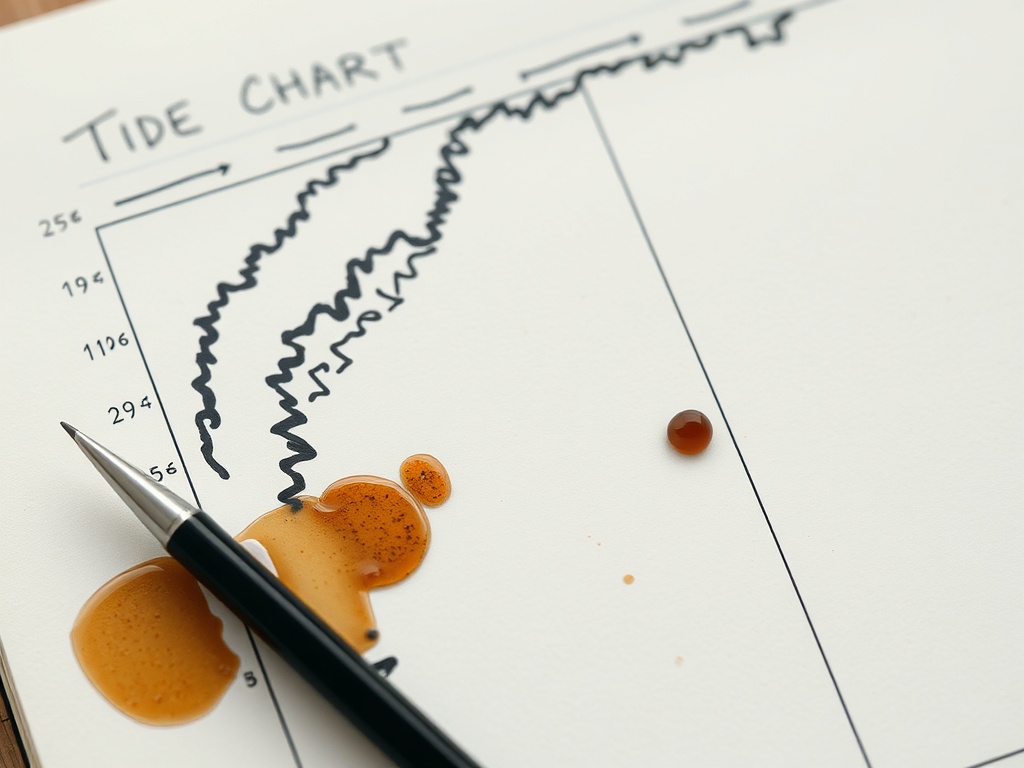
4. Cross-Reference Tide Charts
This is where most people fail. A perfect swell means nothing if the tide kills the wave.
Find the working tide range for your target break and match your trip dates to maximize those windows.
5. Build a Flexible Date Range
Instead of “June 1–7,” think “early June if swell aligns.” Flexibility is your biggest advantage.
The Biggest Mistakes People Make
Booking Too Early Without Research
Cheap flights are tempting. But locking dates before understanding conditions is how you end up watching flat horizons.
Ignoring Wind Patterns
People obsess over swell and forget wind ruins more sessions than anything else.
Overestimating “Peak Season”
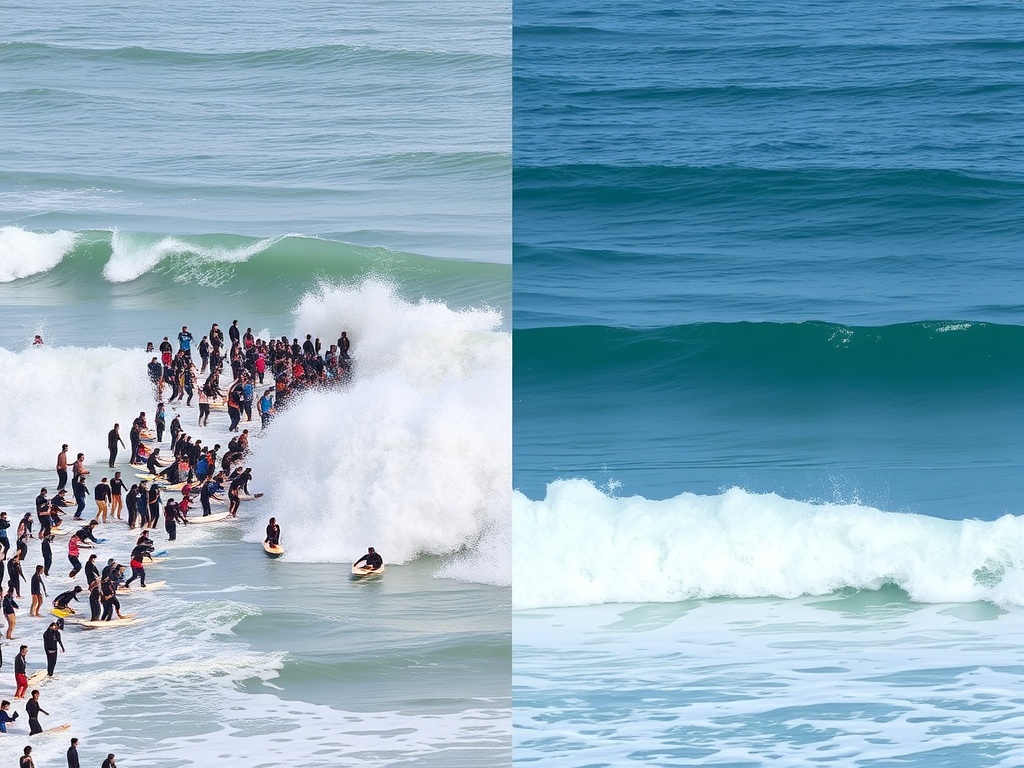
Peak doesn’t always mean best. It often means crowded. Shoulder seasons can deliver cleaner waves with fewer people.
Planning Around Friends Instead of Waves
Group trips are fun—until you compromise timing and miss the window entirely.
How to Apply This Habit to Any Destination
Whether you’re heading to a remote Indo reef or a cold-water point break, the process stays the same.
Start with conditions. Always.
Ask yourself:
- When does this place actually work best?
- What ruins it most often?
- What’s the realistic window for scoring?
Then build your trip around those answers—not convenience.

What This Looks Like in Real Life
A surfer planning a trip to a reef break might notice:
- Best swell: June–August
- Best wind: early mornings
- Best tide: mid to high
Instead of booking a fixed week, they choose a two-week flexible window, monitor forecasts, and pull the trigger when conditions line up.
Result? They don’t just surf—they score.
Why This Habit Matters More Than Skill Level
You can be average and still have the best sessions of your life if you time it right.
You can also be highly skilled and have a terrible trip if you time it wrong.
Timing beats talent more often than surfers like to admit.
The Bottom Line
If you take one thing from this: stop choosing dates first.
Choose conditions, then fit your life around them as much as possible.
It’s not always convenient. But it’s the difference between a trip you remember and one you try to forget.
Tip: Always plan your surf trip around the best conditions window—not fixed dates—and you’ll dramatically increase your chances of scoring good waves.