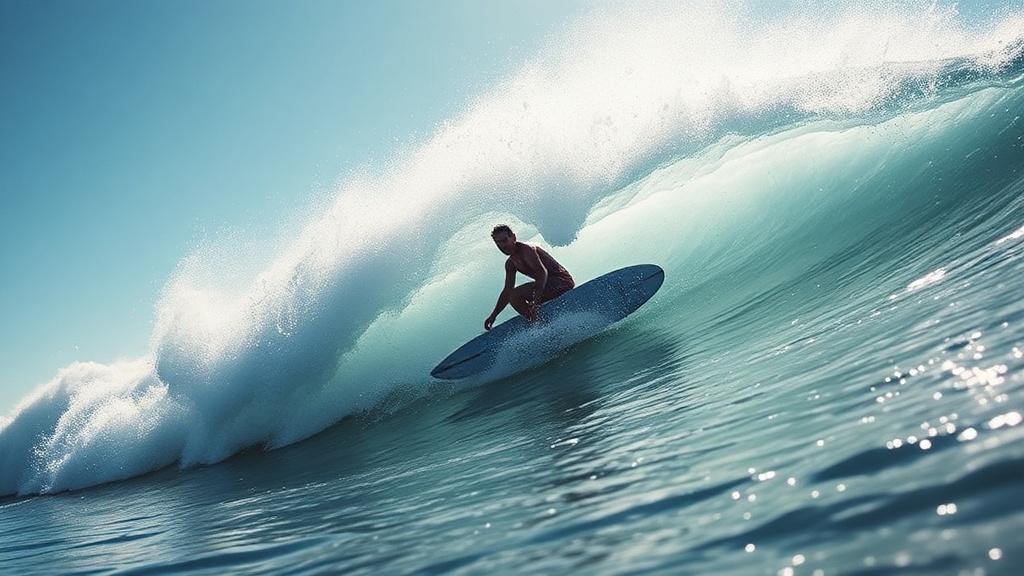
The Ultimate Guide to Planning Your First International Surf Trip

Planning your first international surf trip can feel overwhelming. This guide breaks down everything you need—from picking the right destination and timing your trip to packing gear, budgeting, and staying safe in unfamiliar waters. You'll walk away with a clear roadmap for turning that surf dream into a real trip with real waves.
Where Should Beginners Go for Their First International Surf Trip?
Bali, Indonesia, and Costa Rica consistently rank as the top choices for first-timers. Both offer warm water, consistent beginner-friendly breaks, and well-developed surf tourism infrastructure.
Bali's Bukit Peninsula and the Canggu area feature sandy-bottom beach breaks perfect for learning. Places like Old Man's in Canggu serve up mellow, rolling waves that won't punish mistakes. The island also delivers incredible value—board rentals run $5-8 per day, and beachfront bungalows in Uluwatu cost a fraction of what you'd pay in Hawaii or California.
Costa Rica splits its surf scene between the Pacific and Caribbean coasts. The Nicoya Peninsula towns of Santa Teresa and Nosara have exploded with surf camps catering specifically to beginners. Nosara's Playa Guiones stands out—it's a long sandy beach with predictable, waist-high waves most mornings.
Here's the thing: don't chase the "best" waves. Chasing Pipeline or Teahupo'o as a beginner isn't brave—it's dangerous (and expensive). Stick to destinations where the surf culture embraces learners. Other solid options include:
- Sayulita, Mexico — Easy reef breaks, cheap tacos, quick flights from North America
- Taghazout, Morocco — Budget-friendly, right-hand point breaks, unique culture
- Sri Lanka — Warm water year-round, uncrowded beaches, incredible food
- Byron Bay, Australia — Famous, safe, but pricier than Asian alternatives
What's the Best Time of Year to Book a Surf Trip?
Timing depends entirely on your destination's swell season and weather patterns. Bali hits peak swell from April through October when trade winds blow offshore and southern ocean storms send consistent groundswell. Costa Rica's Pacific side fires December through March during the dry season—clean conditions, minimal rain, and warm water without a wetsuit.
The catch? Peak season means peak prices and crowded lineups. For a first trip, consider shoulder season. In Bali, November and March offer smaller crowds, cheaper accommodation, and still-consistent waves. You'll trade occasional onshore winds for half-empty surf spots and room upgrades.
Research your specific destination's micro-seasons. El Niño and La Niña patterns can shift swell windows by weeks. Check historical data on Surfline or Magicseaweed before booking flights. One week can make the difference between flat spells and the best surf of your life.
Book accommodations with flexible cancellation policies. Swell forecasting has improved dramatically, but the ocean remains unpredictable. Being able to shift dates by a few days can salvage a trip when a random flat spell hits.
How Much Should You Budget for a Two-Week Surf Trip?
A comfortable two-week international surf trip ranges from $1,500 to $4,000 depending on destination and travel style. Here's how that breaks down across three common budget tiers:
| Category | Budget ($1,500-2,000) | Mid-Range ($2,500-3,500) | Comfort ($4,000+) |
|---|---|---|---|
| Flights | $600-800 | $700-900 | $800-1,200 |
| Accommodation (14 nights) | $200-350 (hostels/dorms) | $600-900 (private rooms) | $1,400-2,000 (boutique hotels) |
| Board Rental | $70-100 | $100-140 | $140-200 (or bring your own) |
| Food | $150-250 | $350-500 | $600-900 |
| Surf Lessons/Guides | $100-150 | $200-300 | $400-600 |
| Transportation/Extras | $150-250 | $250-400 | $400-600 |
Bali and Sri Lanka sit at the budget end. Costa Rica and mainland Mexico hover in the mid-range. Australia's Gold Coast or Hawaii's North Shore demand the comfort budget—or more.
Hidden costs catch beginners off guard. Travel insurance with surf coverage (World Nomads and SafetyWing both offer policies) runs $80-150 for two weeks. Visa fees, airport transfers, and board damage deposits add up. Budget an extra 15% buffer for "surf stoke" expenses—the spontaneous boat trip to a secret break or the sunset beer that turns into dinner.
Saving Money Without Sacrificing Experience
Book surf camps with packages. Operators like Surf Simply in Costa Rica or Lapoint Camps in Bali bundle accommodation, lessons, and meals at rates cheaper than booking separately. Travel with a group and split costs on private villas—they often beat hotel rates.
Bring your own board only if you're comfortable with airline fees (typically $75-150 each way) and potential damage. For a first trip, renting locally makes more sense. Shops stock beginner-appropriate foamies and funboards, and you won't stress about dings in transit.
What Gear and Preparation Do You Actually Need?
Pack light but smart. Most surf destinations have shops selling basics, but quality wax, reef-safe sunscreen, and proper first-aid supplies can be hard to find or overpriced locally.
Start with a solid surf-specific first aid kit. Include waterproof bandages, antiseptic wipes, tweezers (for sea urchin spines), and antibiotic ointment. Reef cuts get infected fast in tropical water—clean them immediately. A small bottle of betadine solution takes up minimal space and prevents weeks of misery.
Worth noting: not all "reef-safe" sunscreen is created equal. Look for zinc oxide or non-nano zinc formulas. Stream2Sea and Raw Elements both make sunscreens that actually protect reefs while staying on through long sessions. Regular sunscreen isn't just bad for coral—it'll sting your eyes for hours.
Board bag logistics matter. If bringing your own board, invest in a quality coffin-style bag (FCS, Dakine, and Pro-Lite all make durable options). Pad the nose and tail with towels or bubble wrap. Remove fins and pack them separately. Airlines are notorious for breaking boards—even in hard cases.
Physical preparation prevents disappointment. Surfing uses muscles you don't train in the gym. Start paddling practice two months before departure. Even 20 minutes of swimming twice weekly builds the shoulder endurance needed for week-long sessions. Pop-up drills on land feel silly, but they create muscle memory that transfers to the water.
The Pre-Trip Checklist
- Passport validity — Most countries require six months remaining
- Vaccinations — Hepatitis A and typhoid are standard for tropical surf zones
- Travel insurance with surf coverage — Regular policies often exclude surfing
- Backup credit cards — ATMs fail, cards get swallowed—have alternatives
- Offline maps downloaded — Cell service disappears at remote breaks
- Photocopies of passport — Keep digital and physical backups separate
How Do You Stay Safe While Surfing Abroad?
Respect local etiquette and you'll avoid most problems. Surfing culture runs on unwritten rules that vary by location. Watch a lineup for 15 minutes before paddling out. See where locals sit. Notice who's catching waves. Don't drop in (take a wave someone else is already riding), and don't paddle straight to the peak as a newcomer.
Riptides present real danger. Learn to identify them—channels of churning, discolored water moving away from shore. If caught, don't fight directly against the current. Swim parallel to the beach until out of the rip, then paddle in. Every first trip should include a basic ocean safety refresher. Most surf camps include this in day-one orientation.
Marine life concerns are generally overblown but worth acknowledging. Reef sharks in tropical destinations rarely bother surfers. Sea urchins are more common hazards—watch where you step at low tide. Stonefish hide in Indo-Pacific shallows; shuffle your feet when entering the water.
Medical facilities vary dramatically. Research the nearest hospital to your accommodation before you need it. Indonesia's tourist areas have international clinics. Remote Costa Rican towns might require hours of driving for serious injuries. Know the local emergency number (it's not always 911).
That said, don't let fear dominate your trip. Thousands of beginners surf internationally every year without incident. Common sense—hydrating, knowing your limits, checking equipment, and respecting the ocean—prevents 95% of problems. The remaining 5% is why you bought insurance.
Your first international surf trip will change how you think about travel. There's something addictive about waking up, checking the swell report, and paddling out before breakfast. The combination of physical exertion, natural beauty, and simple living creates a high that's hard to replicate elsewhere. Start planning. The water's waiting.