
The Ultimate How-To Guide for Planning an Epic Surf Adventure

Step 1: Choose Your Surf Destination
The first step in any successful surf adventure is picking the right destination. Consider factors like wave conditions, seasonality, local surf culture, and travel logistics. For beginners, destinations like Bali or Costa Rica offer consistent waves and surf schools, while experienced surfers might seek out more challenging breaks in Hawaii or Portugal.

Step 2: Plan Your Travel and Accommodation
Book your flights early to secure the best deals. Consider staying close to surf spots to minimize travel time each day. Options range from beachside hostels to luxury resorts, depending on your budget and preference. Always check surf reports and local conditions before finalizing your accommodations.

Step 3: Gear Up Properly
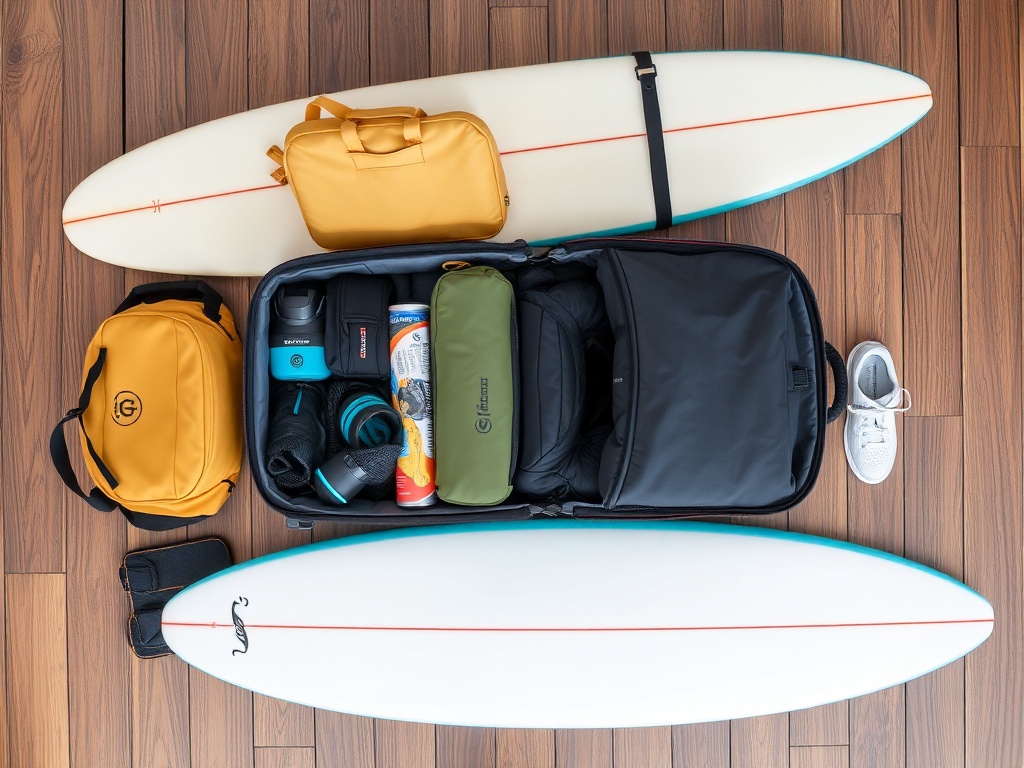
Surfboards, wetsuits, rash guards, and fins are essential. For long trips, consider renting locally to save on luggage fees. Always pack extra wax, a repair kit, and sunscreen suitable for prolonged water exposure. Beginners should prioritize safety gear and well-fitting boards to avoid accidents.
Step 4: Learn Local Surf Etiquette
Respecting local rules and customs is crucial. Understand right-of-way in the lineup, avoid crowded spots if you’re new, and always follow safety instructions from lifeguards and surf schools. Engaging politely with locals will enrich your experience and prevent conflicts.

Step 5: Organize Lessons and Local Guidance
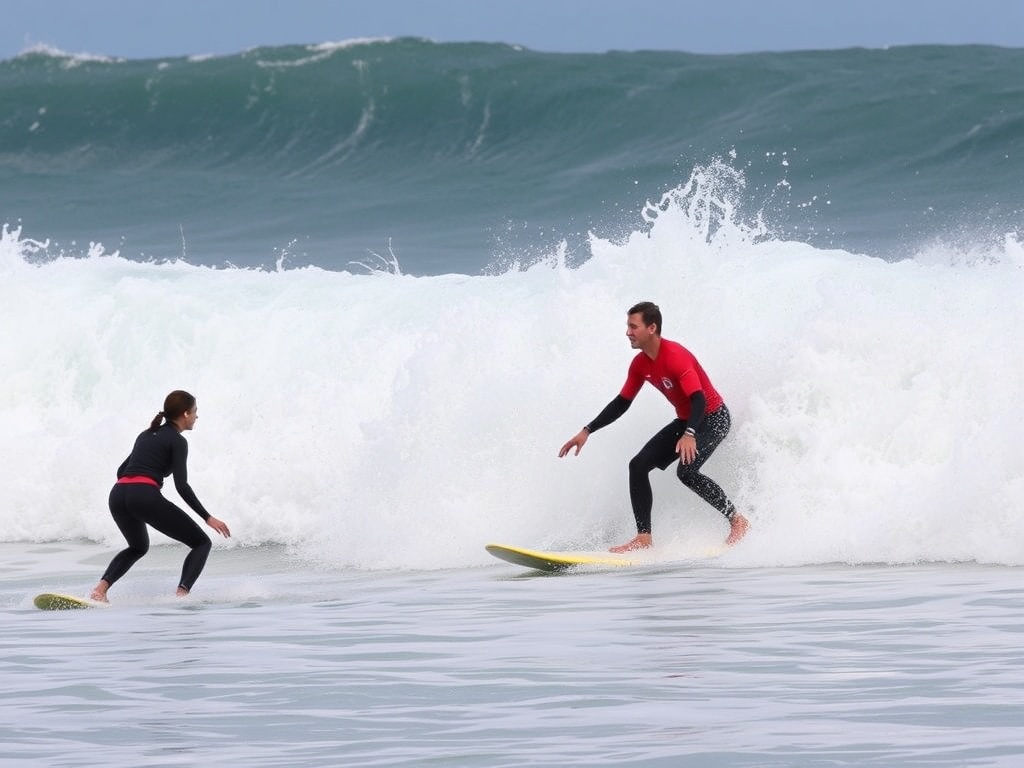
Even experienced surfers can benefit from local knowledge. Booking lessons or guided surf tours helps you navigate unfamiliar breaks safely and efficiently. In many locations, certified instructors can teach you about tides, currents, and the best times to surf.
Step 6: Manage Nutrition and Hydration
Surfing is physically demanding. Carry snacks rich in protein and stay hydrated. Local fruits and light meals can help maintain energy levels. Avoid heavy foods before sessions to prevent sluggishness and seasickness.

Step 7: Plan Your Itinerary Around Surf Conditions
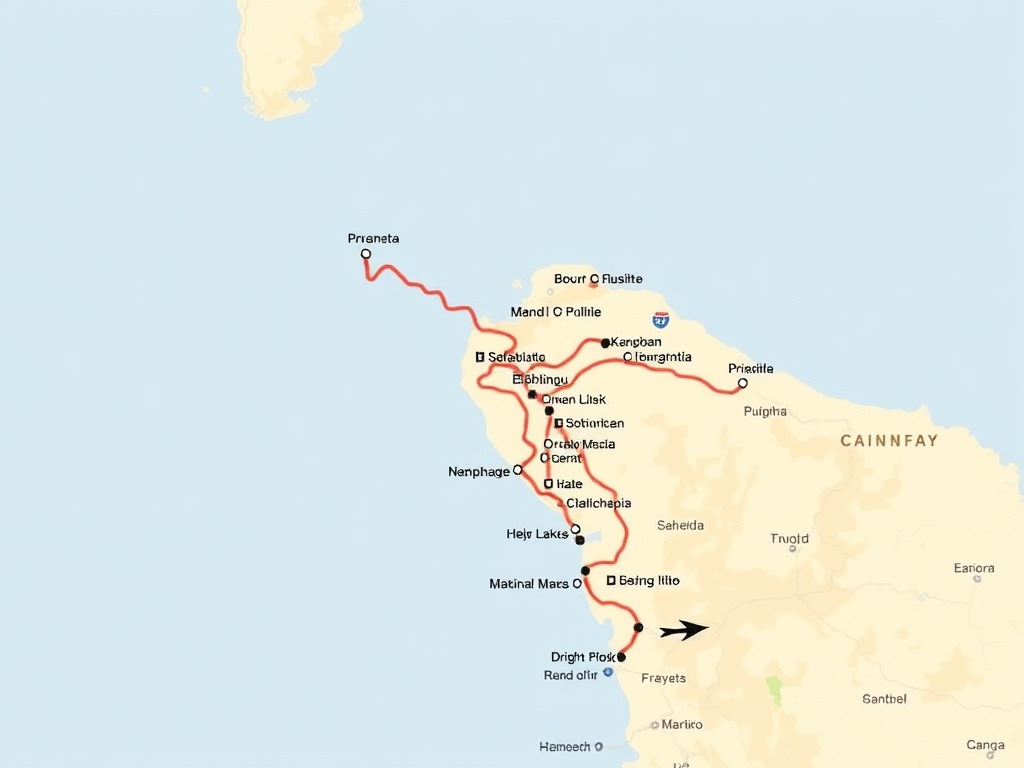
Check swell forecasts and plan sessions for optimal conditions. Allocate rest days to avoid burnout, and consider exploring nearby attractions on non-surf days. Apps and websites dedicated to surf forecasts can help you time your adventures perfectly.
Step 8: Safety First
Always surf within your limits, wear a leash, and respect weather warnings. Learn basic first aid for injuries common in surfing, like cuts or sunburn. Knowing local emergency numbers and having travel insurance can be lifesaving in remote surf locations.

Step 9: Capture and Share Your Surf Adventure
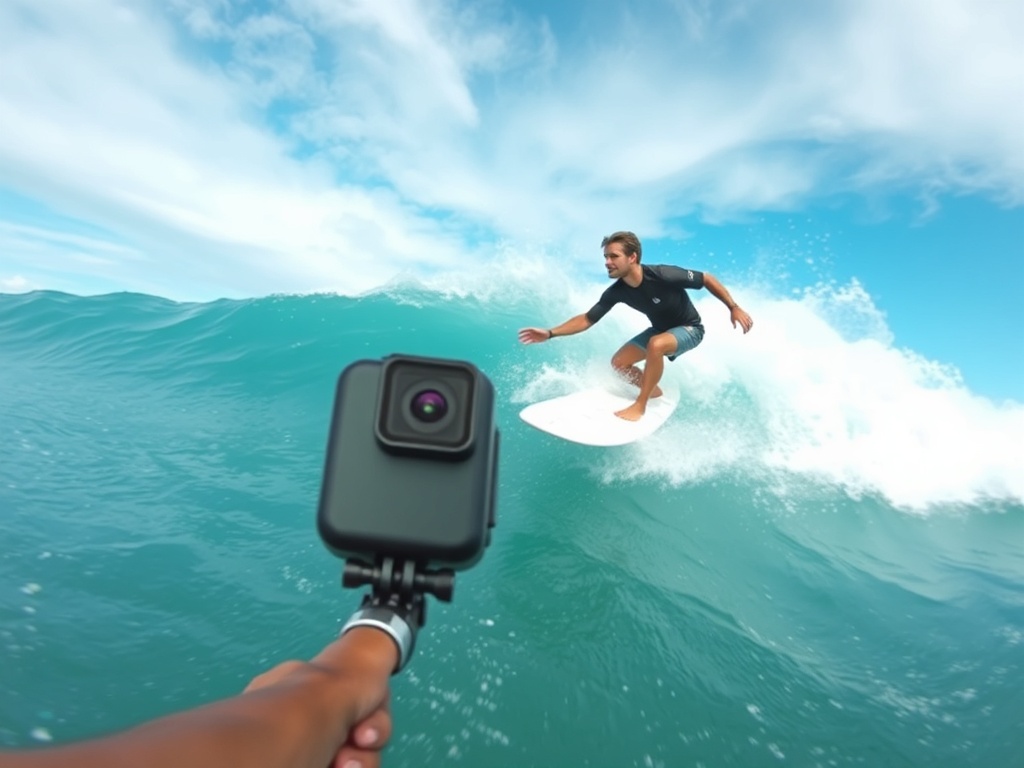
Document your journey with photos and videos, but be mindful of local privacy and environmental considerations. Sharing responsibly on social media can inspire others while preserving the integrity of the surf spots you visit.
Step 10: Post-Trip Reflection and Planning
After your surf adventure, reflect on what worked well and areas for improvement. Review your gear, itinerary, and lessons learned. Planning for the next trip becomes easier with this insight, ensuring each surf adventure is better than the last.