
The Ultimate Step-by-Step Guide to Planning Your First Surf Adventure

Step 1: Choosing the Right Surf Destination
Before you pack your board and sunscreen, it's essential to select a surf destination that matches your skill level and travel goals. Consider factors like wave type, local climate, seasonal swell patterns, and accessibility. For beginners, beaches with gentle, rolling waves like Waikiki in Hawaii or Byron Bay in Australia are ideal. Experienced surfers might seek challenging reef breaks in destinations like Mentawai Islands in Indonesia or Jeffrey's Bay in South Africa.

Step 2: Timing Your Trip
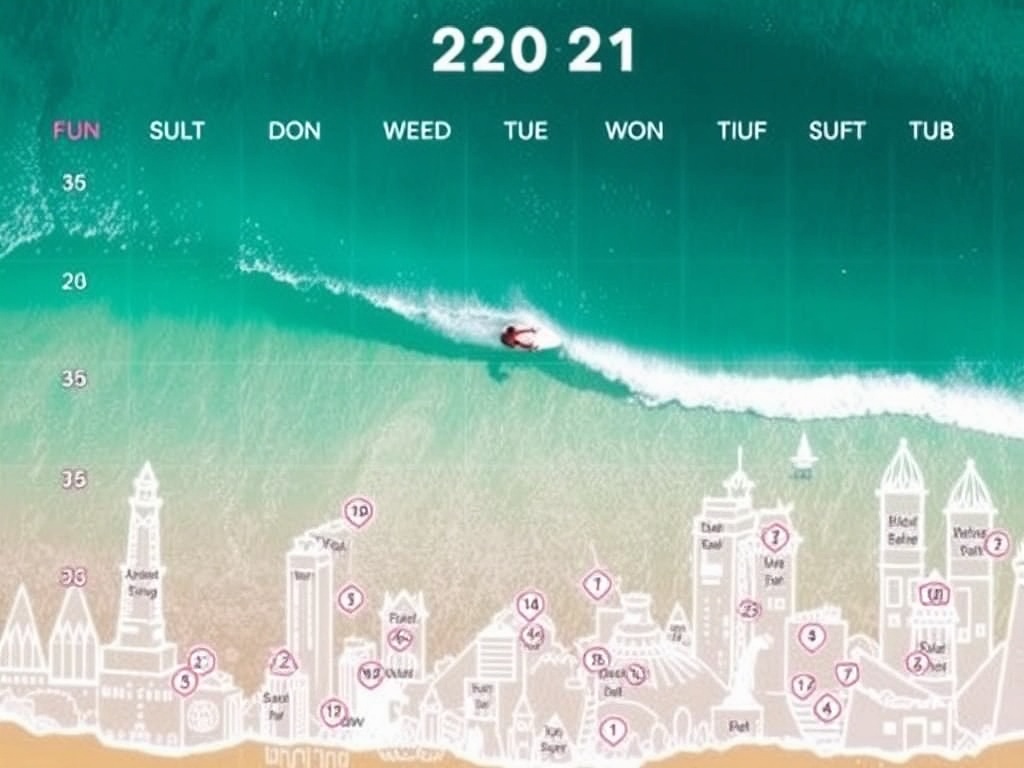
Timing can make or break your surf experience. Research the peak surf season for your chosen location. For instance, Hawaii’s north shore thrives in winter months, while Costa Rica’s Pacific coast peaks in summer. Booking your trip during these periods ensures optimal wave conditions and the best weather. Off-season travel can offer fewer crowds and lower costs but may come with inconsistent surf.
Step 3: Budgeting and Planning
Set a realistic budget that includes airfare, accommodation, surf rentals, lessons, food, and transportation. Consider optional expenses like guided surf tours or local experiences. Early planning helps secure the best rates. For cost-saving, look for hostels, surf camps, or vacation rentals, and book flights months in advance. Factor in travel insurance for unexpected events.

Step 4: Packing the Essentials
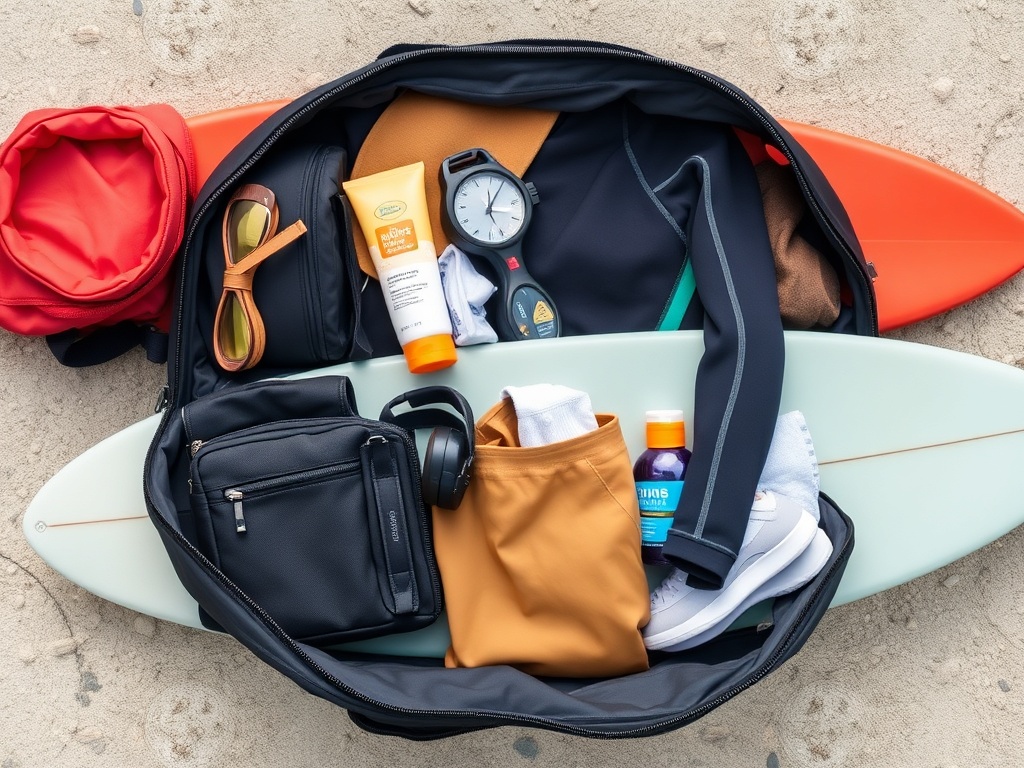
Surf trips require thoughtful packing. Aside from your surfboard, bring appropriate wetsuits, reef-safe sunscreen, waterproof bags, and first-aid kits. Don’t forget casual attire, flip-flops, and hydration gear. For international trips, carry copies of important documents, and ensure your electronics have travel adapters. A lightweight, compact backpack makes getting around easier.
Step 5: Finding Local Guidance
Connecting with local surf schools or guides can enhance your experience, especially in unfamiliar waters. They offer insights on tides, hazards, and hidden breaks, plus you can pick up local culture and etiquette. Reviews on platforms like TripAdvisor or Surfline help you choose reputable guides and schools. Building local connections also opens opportunities for surfing in lesser-known, pristine spots.

Step 6: Safety and Surf Etiquette
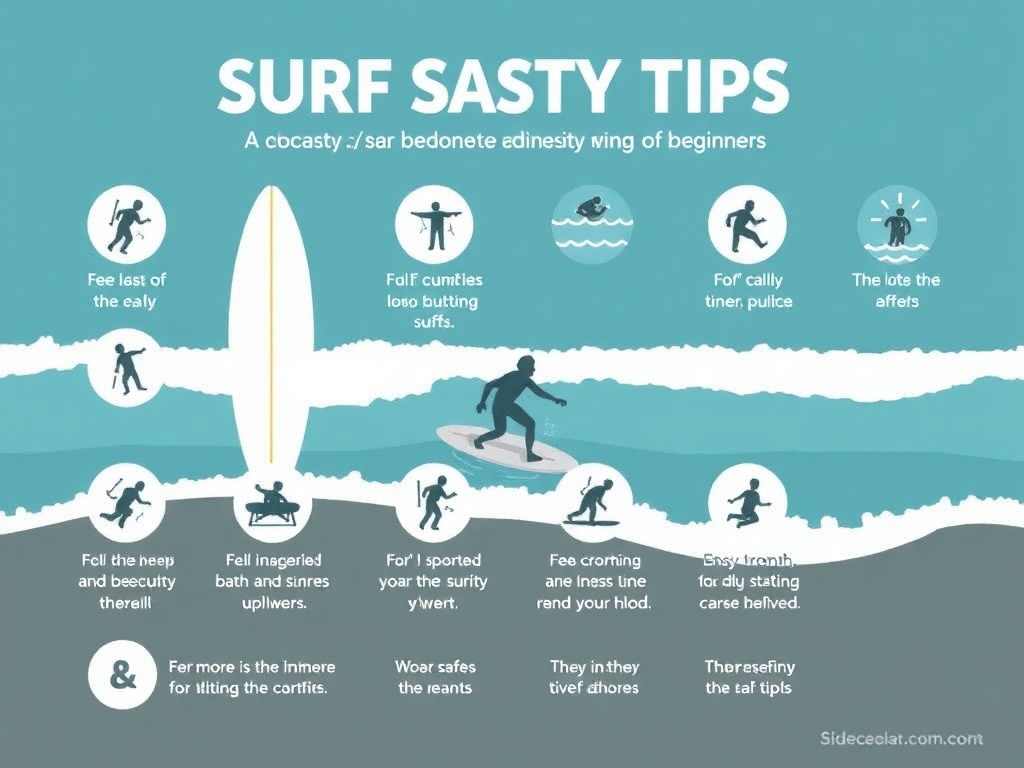
Understanding safety is crucial. Learn about rip currents, surf hazards, and the rules of the lineup. Respect local surfers and the environment: don’t drop in on waves or litter beaches. Wearing a leash keeps your board close, and knowing basic first aid is invaluable. Surfing responsibly ensures a positive experience for both you and the local surf community.
Step 7: Capturing the Experience
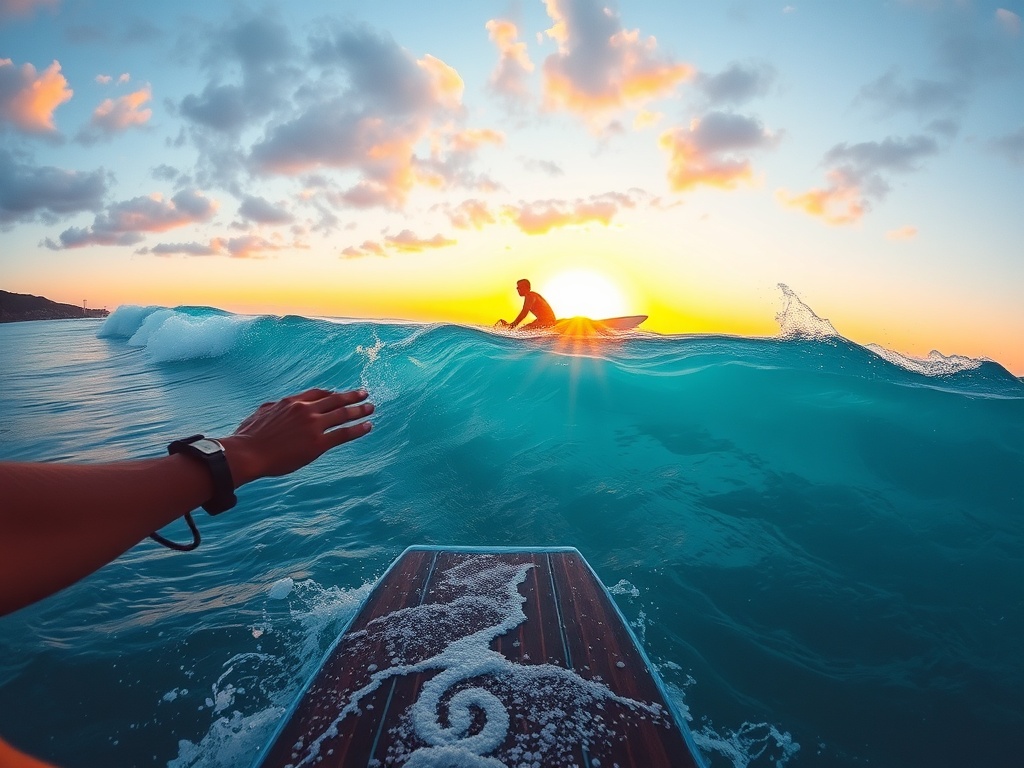
Documenting your trip allows you to relive memories and share insights. Bring a waterproof camera or GoPro to record waves and adventures. Keep a journal of surf conditions, favorite spots, and tips for future trips. Sharing your experiences online can help fellow surfers plan their journeys and grow the surf community.
Step 8: Post-Trip Reflection
After returning, reflect on what went well and areas for improvement. Evaluate your surfing progress, travel choices, and overall experience. Organizing photos and notes helps you prepare for future surf adventures. Consider leaving reviews for local businesses and surf schools, supporting the community that made your trip memorable.